
Pittsburgh Urban Media Staff
August 7, 2026 · Education
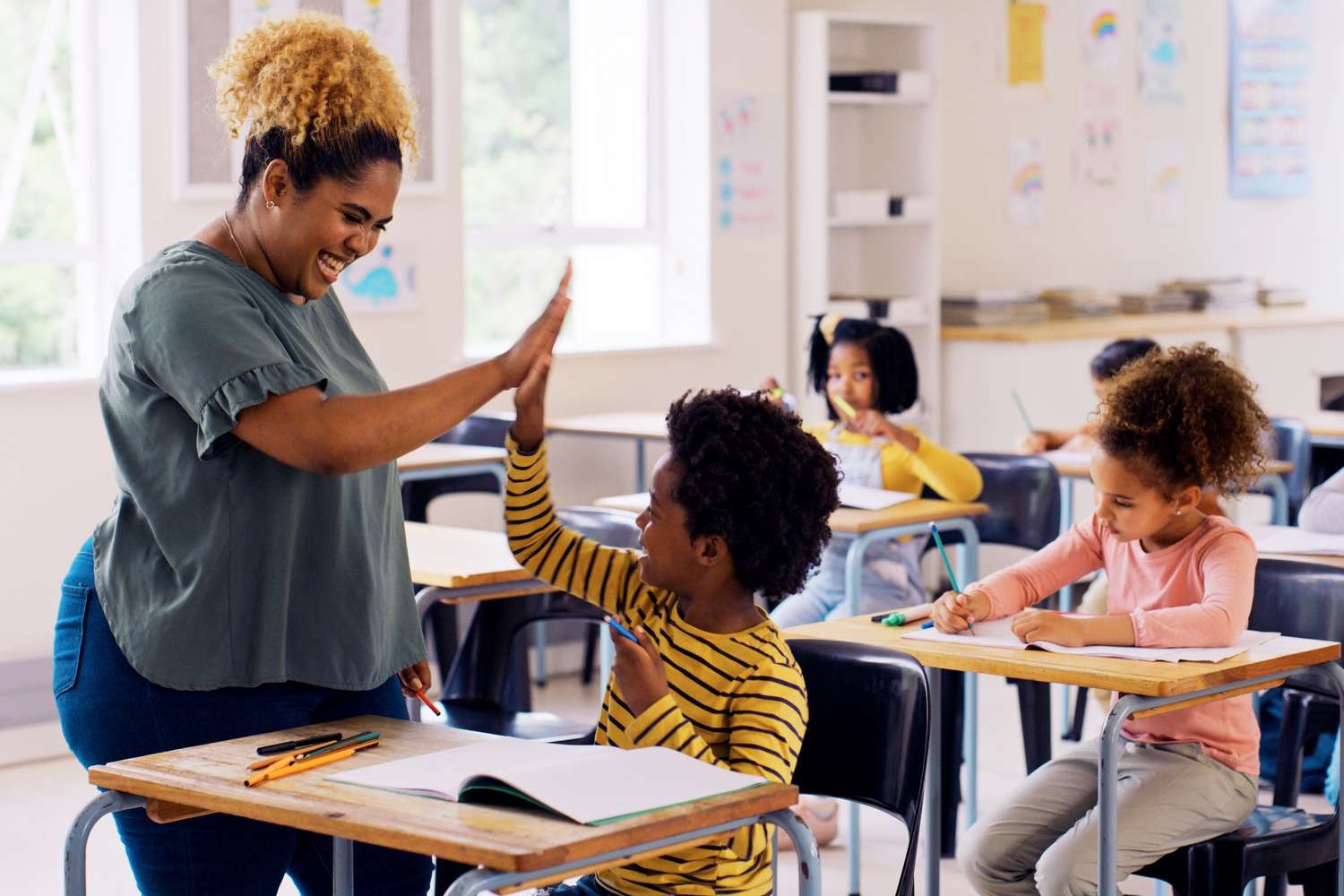
As Pittsburgh Public Schools prepares to welcome students back this fall, a quiet crisis is unfolding in classrooms across the district: Black teachers are disappearing. Over the past decade, the share of Black educators in PPS has declined steadily — even as the district's student population remains majority Black and Brown. Researchers, parents, and educators say the consequences are profound.
Studies consistently show that Black students who have at least one Black teacher are more likely to graduate high school, more likely to enroll in college, and less likely to be suspended. The research is especially striking for Black boys from low-income households. Yet in Pittsburgh, as in many urban districts across the country, the pipeline of Black educators has been shrinking for years.
"When a child sees someone who looks like them at the front of the classroom, it sends a message: you belong here. You can do this."
— Pittsburgh educator and community advocate
The Numbers Tell the Story
In the 2014–15 school year, Black teachers made up roughly 22 percent of PPS's instructional staff. By the 2024–25 school year, that figure had dropped to under 16 percent — a decline that mirrors national trends but hits harder in a district where more than 55 percent of students identify as Black or African American.
The causes are layered. Stagnant wages, difficult working conditions, and a lack of mentorship and support for early-career Black educators all play a role. So does the school closure process itself: when buildings shut down, veteran teachers — disproportionately Black educators with deep community ties — are often the ones who don't land in a new placement.

Why Is It So Difficult to Find Black Teachers?
There is no single answer. The pipeline is affected by multiple factors:
The Cost of College
Teaching generally requires a college degree and, in Pennsylvania, certification requirements that can add to the cost and time required to enter the profession.
Teacher Pay
Students who might otherwise consider education can compare teacher salaries with other professions requiring similar levels of education.
Working Conditions
Workload, stress, classroom challenges and burnout can discourage people from entering or remaining in teaching.
The Workplace Climate
For Black educators, researchers say the experience of being one of very few Black teachers in a building can create additional pressures.
A Shrinking Pipeline
If fewer Black students enter teacher preparation programs, districts eventually have fewer Black candidates to recruit.
The problem therefore begins long before a school district posts a job opening.
The Urban League Perspective
The issue also fits within a much larger conversation about Black opportunity in America. The National Urban League's State of Black America reports have for decades examined racial disparities and the relationship between education, employment, economic opportunity and the future of Black communities.
That perspective is important because the teacher shortage isn't simply about staffing classrooms. Teachers help shape the next generation of workers, college students, entrepreneurs, professionals and community leaders.
The question of who becomes a teacher — and who has the opportunity to become one — is therefore part of the larger question of economic mobility and opportunity.
The NAACP Perspective
The NAACP and its legal defense organization have likewise made education equity a central part of their work. Research from the NAACP Legal Defense Fund's Thurgood Marshall Institute has examined Black educators as an important component of educational equity.
The message is broader than simply increasing a percentage on a staffing chart. Black educators can contribute to stronger relationships with students, culturally responsive instruction and school environments in which students feel seen and supported.
For civil rights organizations, increasing access to quality education has always been connected to the larger struggle for equal opportunity.
What Research and Educators Are Saying
Reports and research examining the experiences of Black educators point to a recurring concern: being hired is only part of the challenge. Retaining Black teachers can be just as difficult.
Black educators have described feeling undervalued or unsupported, particularly in schools where they are among a small number of Black staff members. Research and interviews documented by education researchers have pointed to concerns about administrative support, workplace culture, racialized experiences and the emotional demands of working in predominantly white institutions.
Some Black educators have also described taking on responsibilities that extend beyond their classroom assignments — serving as mentors, advocates and informal counselors for Black students while navigating the pressures of being one of few Black educators in their schools.
Research highlighted by the Harvard Graduate School of Education and other education organizations suggests that these workplace experiences can contribute to Black educators leaving the profession.
The concern, researchers say, is that districts cannot address the shortage simply by recruiting more Black teachers. They also have to create school environments that make Black educators want to stay.
School Closures Add Pressure
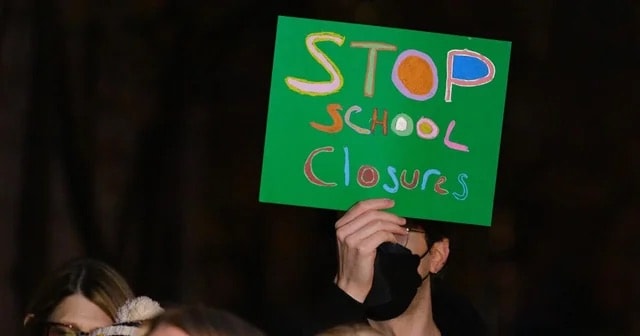
The district's ongoing consolidation plan — which will close nine school buildings over the next several years — has intensified concerns. Community advocates argue that the closures disproportionately affect Black neighborhoods and that the displacement of students and staff further erodes the trust that Black educators have built over years of service.
"Every time you close a school, you're not just closing a building," said one Hill District parent. "You're closing relationships. You're closing the connection between a teacher who knows a family and the kids in that family. That's not something you can just rebuild overnight."
What Needs to Change
Advocates and researchers point to several evidence-based strategies for reversing the trend: grow-your-own teacher pipeline programs that recruit from within Black communities, mentorship and induction programs specifically designed for Black educators, competitive compensation, and a genuine commitment from district leadership to create inclusive and affirming school cultures.
Some Pittsburgh-area universities and community organizations have begun piloting such programs. But advocates say the pace of change is far too slow — and that without urgent action, the gap between the diversity of the student body and the teaching staff will only widen.
The Pittsburgh Question
The national conversation now comes home. Pittsburgh Public Schools and other regional districts are dealing with major changes — including school closures, enrollment changes, staffing challenges and questions about the future of neighborhood schools. At the same time, Pittsburgh has a substantial gap between the racial makeup of its students and its teaching workforce.
That makes several questions worth asking:
- Where are the Black teachers?
- Why aren't more young Black people choosing education as a career?
- Why are some Black educators leaving?
- What are local colleges doing to rebuild the pipeline?
- What are school districts doing to make sure Black teachers who enter the profession want to stay?
The Pipeline Starts Before the Job Application
Solving the problem will require looking much earlier than the hiring process. The next generation of Black teachers is currently sitting in high school and college classrooms. Creating a stronger pipeline could mean:
- Introducing students to teaching careers earlier
- Creating partnerships between school districts and universities
- Expanding scholarships and financial assistance
- Developing teacher apprenticeship and residency programs
- Connecting current teachers with aspiring educators
- Creating stronger mentorship for new Black teachers
- Addressing workplace conditions that contribute to attrition
The goal isn't simply to hire more Black teachers. It is to create a pathway that allows young people to see teaching as a viable, respected and sustainable profession.
"Our kids deserve to see themselves reflected in the people who teach them. That's not a luxury — it's a necessity."
— Pittsburgh education advocate
The Bottom Line
The numbers tell a consistent story from the national level to Pittsburgh: America's students are becoming more diverse while its teaching workforce remains overwhelmingly white. Pennsylvania's numbers show an even greater gap. And Allegheny County's data demonstrates that the problem exists here at home.
Behind those statistics are students who may never have a Black teacher, young people who may never consider teaching as a career, and educators who may leave because the profession does not provide the support they need.
The question is no longer simply: "Where are the Black teachers?"
It is: "What are we willing to change to make sure they are there?"
PUM's Next Conversation
PittsburghUrbanMedia.com will continue examining the Black teacher pipeline through the voices of current and former Black educators, students, school district leaders, teacher preparation programs and community organizations.
The goal is to move the conversation from statistics to solutions — and to understand what Pittsburgh can do to build a teaching workforce that better reflects the children in its classrooms.
Sources: Harvard Graduate School of Education; National Urban League State of Black America; NAACP/NAACP Legal Defense Fund; Education Northwest; Research for Action; and relevant federal/state educator workforce data.
Related Coverage
Pittsburgh Public Schools Closures: What You Need to Know →