

I was born in 1943 and raised in Pittsburgh’s Homewood neighborhood during a time when opportunities for Black Americans were limited by barriers that many young people today can scarcely imagine. My generation did not have the option of sitting quietly on the sidelines.
We lived through the Civil Rights Movement. We witnessed the struggle for fair housing, equal employment, educational opportunity, and voting rights. We learned that progress is never given — it is earned through sacrifice, courage, and collective action.
Throughout my career, from becoming Pittsburgh’s first African American consumer affairs investigative reporter to hosting the only nationally syndicated radio talk show led by a Black woman in America, I have remained committed to one mission: amplifying our voices and advocating for our community.

Today, as I reflect on where we have been and where we are headed, I am both proud and concerned. I am proud of the progress Black Pittsburgh has made. I am proud of the entrepreneurs, educators, faith leaders, community advocates, and young people who continue to push our community forward.
But I am concerned because too many of the challenges we fought against decades ago remain with us today.
“The numbers do not lie. Recent reporting highlighted by Pittsburgh Urban Media’s PUM Forward initiative reveals troubling realities. Nearly 11 percent of Pittsburgh households live in poverty. Among those households, 76 percent are headed by single mothers, and a disproportionate number are Black families living in communities with the greatest needs.”
The PUM Forward series has also taken a closer look at housing, economic mobility, and the widening gap between those who have access to opportunity and those who do not.
These are not simply statistics. These numbers represent families struggling to afford housing, parents working multiple jobs to support their children, seniors trying to remain in their homes, and young people searching for pathways to a brighter future.
We cannot afford to ignore these realities. Nor can we afford to become complacent.
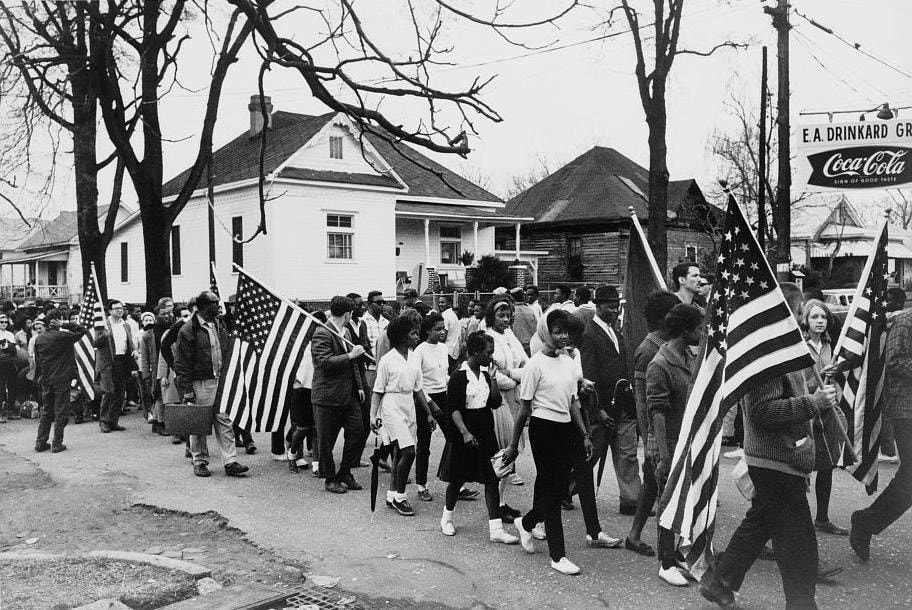
I often think about the leaders who helped shape Black Pittsburgh and challenged the status quo when doing so came with tremendous personal and professional risk. Leaders like Harvey Adams, Nate Smith, Tim Stevens, and countless others who stood firmly against discrimination and injustice.
They understood that silence was never a strategy for progress. They organized. They advocated. They mobilized. Most importantly, they united our community around a shared vision of opportunity and justice. Their example matters today more than ever.
As we look toward the future, Black Pittsburgh faces critical questions:
“Will we create pathways to homeownership for future generations? Will we ensure that our children receive quality educational opportunities? Will we support Black-owned businesses and entrepreneurs? Will we address the economic disparities that continue to hold too many families back?”
The answers to these questions will not be determined by chance. They will be determined by participation. They will be determined by leadership. They will be determined by whether we choose to engage.
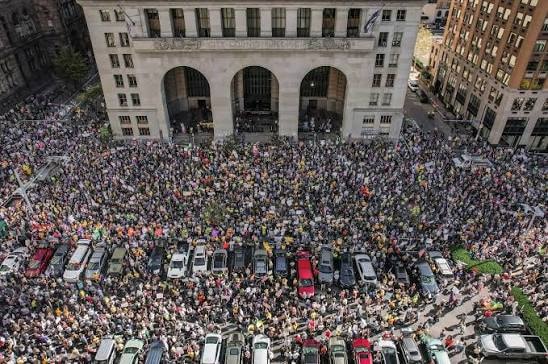
That is why I am calling on Black communities across Pittsburgh and throughout the Commonwealth of Pennsylvania to unite and prepare for the upcoming election. This is not about blind loyalty to any political party. It is about understanding what is at stake.
Elections influence policies affecting housing, education, healthcare, workforce development, voting rights, public safety, and economic opportunity. The decisions made by elected officials impact every aspect of our daily lives.
Governor Josh Shapiro’s administration has emphasized investments in education, workforce development, small business growth, voting access, affordable housing, maternal health, and opportunities for historically underserved communities. Whether one agrees with every policy or not, it is essential that our community remains informed, engaged, and actively involved in shaping the decisions that affect our future.
Too many people sacrificed too much for us to take our voices for granted. The right to vote was not freely given. It was earned. And it remains one of the most powerful tools we possess.
So I say to Black Pittsburgh and Black Pennsylvania:
- Do not sit this one out.
- Do not assume someone else will do the work.
- Do not ignore the warning signs around us.
- Get informed. Get registered. Get involved.
- Support organizations that are strengthening our communities.
- Mentor young people. Hold leaders accountable.
- And above all — make your voice heard.
The future of Black Pittsburgh will not be shaped by those who remain silent. It will be shaped by those willing to stand up. Those willing to be counted. Those willing to get involved.
The challenges before us are real, but so is our power. Now that you understand the assignment, Stand Up. Be Counted. Get Involved.
Rise Up. Our future depends on it.