
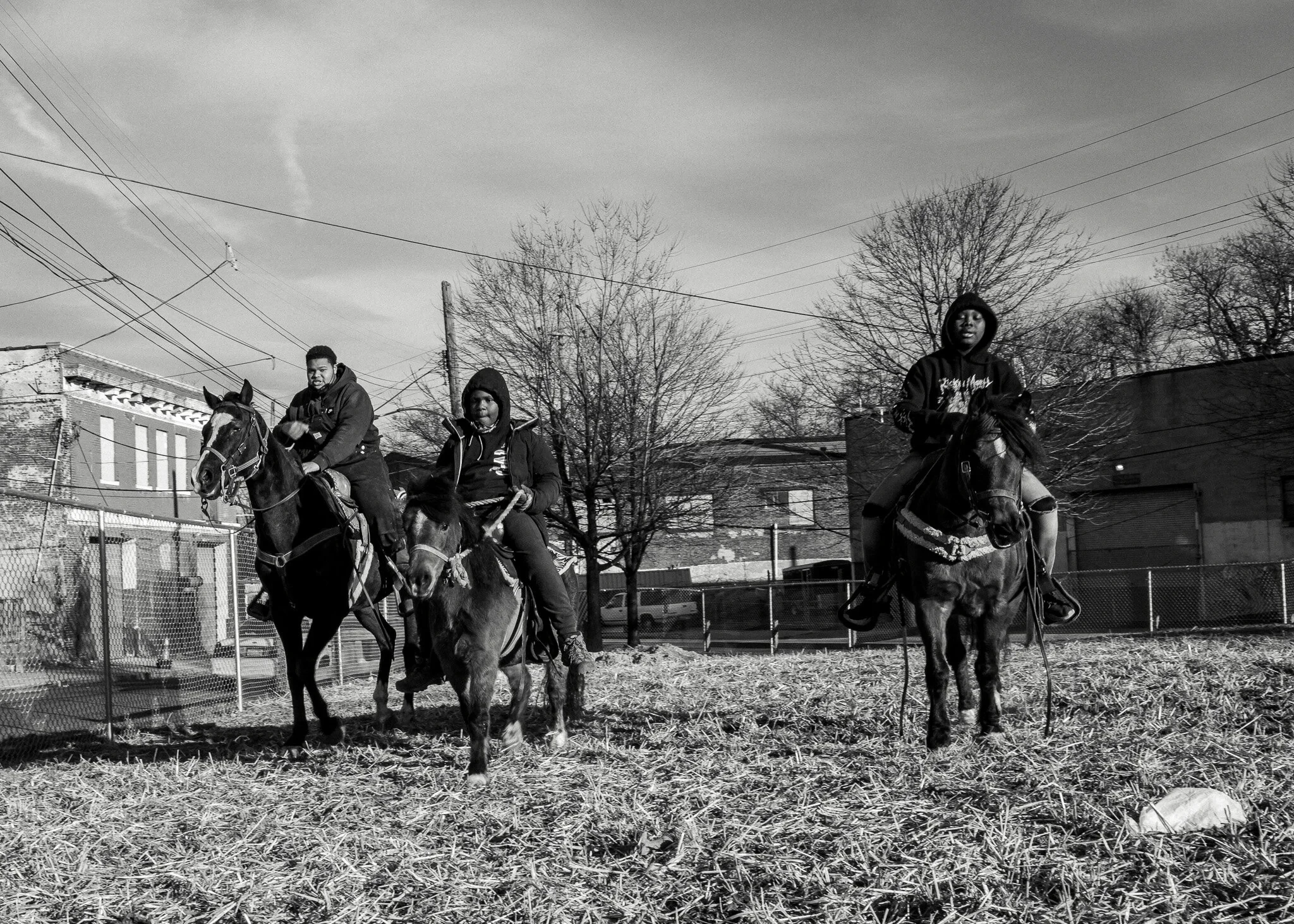
When people think of cowboys, they often picture the wide-open landscapes of the American West, cattle ranches and dusty trails. But in Philadelphia, a different kind of cowboy tradition has been riding through city streets for generations.
The Fletcher Street Urban Riding Club is keeping that tradition alive, preserving a legacy of Black horsemanship that has deep roots in American history while creating opportunities for a new generation of young people.
Located in North Philadelphia, the club represents something far greater than horseback riding. It is a living connection to African American history, a place of mentorship and belonging, and a testament to what can happen when a community takes responsibility for preserving its heritage.
A Tradition Rooted in History
African Americans have played a significant role in the history of American horsemanship. Long before the cowboy became an iconic figure in American popular culture, Black men and women were working with horses as ranch hands, trainers, jockeys, wranglers and skilled horsemen.
Yet their contributions have frequently been overlooked in popular accounts of the American West.
Philadelphia developed its own distinctive urban Black cowboy culture, where horseback riding became part of neighborhood identity and community life. For generations, Black riders maintained their connection to horses in an environment far removed from traditional ranch country.
At the center of the Fletcher Street story is Ellis Ferrell, whose love of horses began during his childhood on his grandmother's farm in Tallahassee, Florida.
Ferrell recalls being captivated by the excitement of bull riding before developing an even deeper fascination with the powerful horses he watched in Western films.
That childhood interest eventually became a lifelong commitment.
From North Philadelphia to Fletcher Street
By the late 1940s, Ferrell was riding horses through the streets of North Philadelphia and renting horses in Fairmount Park.
What began as a personal passion developed into a vision for something bigger: a place where young people could experience the responsibility, discipline and empowerment that come with caring for and riding horses.
In 1980, Ferrell established a stable at 31st and Master streets with five horses.
The stable became a gathering place for riders young and old. Children learned to feed, groom and care for the animals, developing relationships that extended beyond the riding experience.
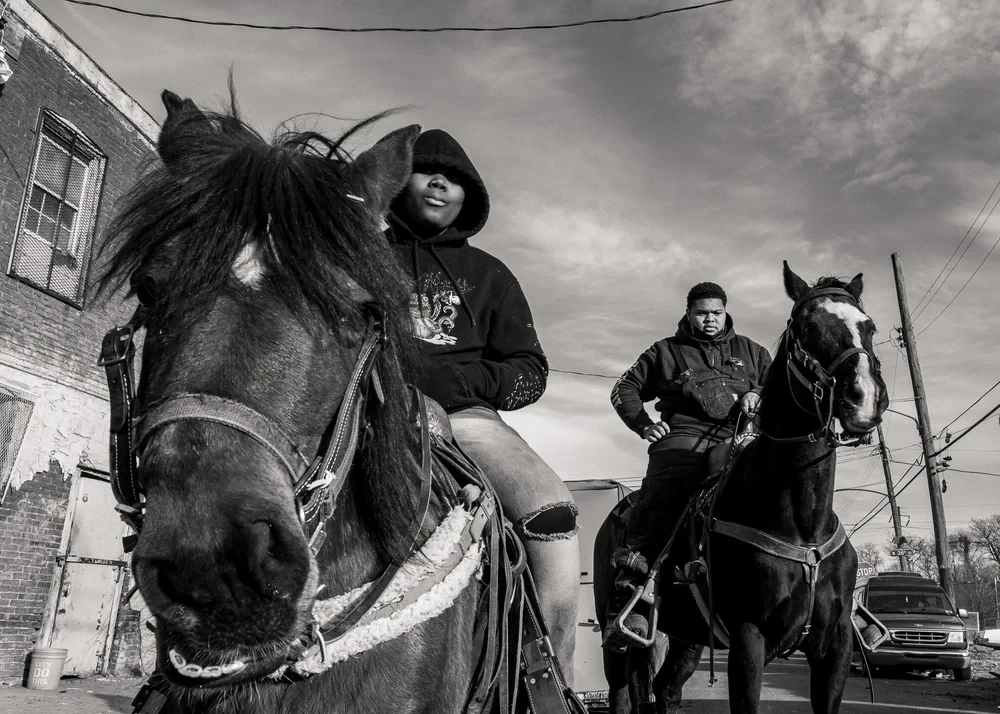
Weekend excursions to equine campgrounds offered opportunities for adventure, camaraderie and learning outside their immediate neighborhood.
In 2004, Ferrell moved the stable to Fletcher Street, further establishing the organization's identity and its place in the community.
His philosophy was grounded in the belief that horses could help young people develop mental strength, physical stamina, confidence and a sense of personal responsibility.
As Ferrell has expressed:
"Horse riding is not only therapeutic and instills discipline, but it enables a sense of empowerment to the disenfranchised."
More Than Horseback Riding
For the young people who come through Fletcher Street, the experience is about much more than learning to ride.
It is about learning to care for another living being, showing up consistently, developing patience and understanding the value of responsibility.
Parents whose children have participated describe improvements in behavior, self-esteem, confidence and work ethic.
One parent shared that the club helped keep his sons away from negative influences while introducing them to opportunities they might not otherwise have experienced.
One of those young men developed an interest in animals that eventually led him toward studying at Saul High School, with aspirations of becoming a veterinarian.
These are the kinds of outcomes that demonstrate the broader significance of community-based youth programs.
The horses provide the introduction, but the lessons can last a lifetime.
Preserving a Legacy Against the Odds
The club's journey has not been without challenges.
As Philadelphia neighborhoods have changed and development pressures have increased, maintaining space for horses and riders has become increasingly difficult.
The organization experienced significant disruption to its historic riding and grazing spaces in 2021, raising questions about the future of a tradition that had become deeply connected to the neighborhood.
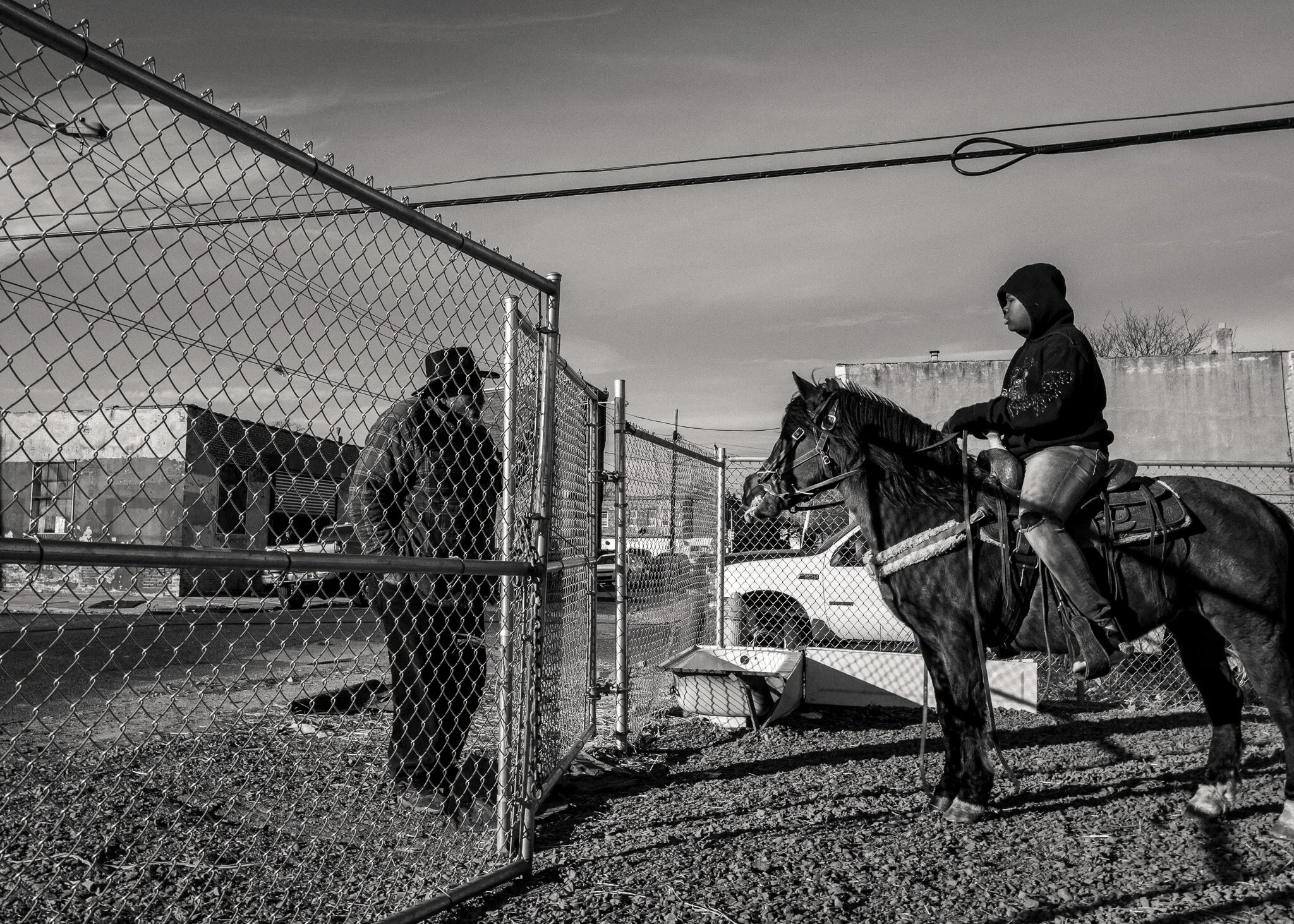
For Fletcher Street, preserving the legacy means more than maintaining an organization. It means protecting the physical space, cultural identity and community relationships that allow the tradition to continue.
The club's ongoing efforts to establish a more permanent future reflect a larger issue facing historic Black community institutions: how to preserve culturally significant spaces while navigating development, changing neighborhoods and limited resources.
A Legacy That Continues
Over the years, Fletcher Street has attracted international attention from filmmakers, photographers and major organizations interested in its distinctive story.
Its riders have helped introduce audiences around the world to the image of the Black urban cowboy, challenging familiar stereotypes about who belongs in the world of horses and horsemanship.
But perhaps the most important measure of the club's impact is not its international recognition.
It is the children who discover confidence in the saddle, the parents who see positive changes in their children, and the generations of riders who understand that they are part of something much bigger than themselves.
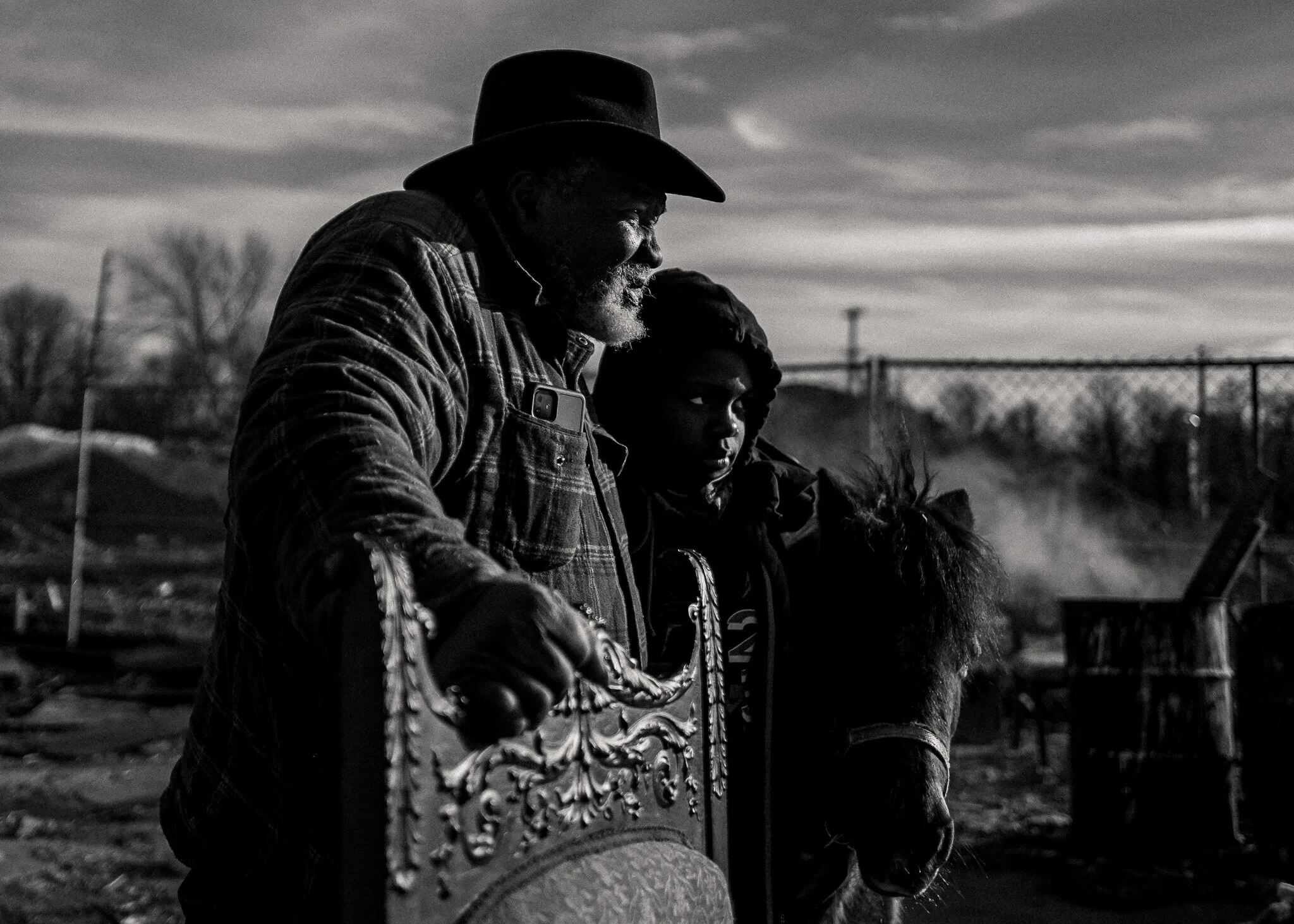
With new leadership working to expand the mission, the organization is carrying forward the vision established by Ellis Ferrell.
Its three central commitments remain clear: preserving the legacy of Philadelphia's Black horsemen, creating bonds through horsemanship, and providing a safe community space where young people can learn, grow and develop life skills.
The story of Fletcher Street is a reminder that Black history is not confined to museums, textbooks or historical markers. Sometimes, it is alive in the streets, in the neighborhoods and in the traditions that communities refuse to let disappear.
In Philadelphia, that history continues one horse, one rider and one generation at a time.
Preserving a century of tradition. Empowering the next generation.
Learn more about the Fletcher Street Urban Riding Club and support its mission at fsurc.com.