
The power of the Black vote in Pennsylvania cannot be measured by Election Day alone. It is rooted in a history of struggle, political organizing and a determination to have a voice in the decisions that shape our communities.
Long before Black Pennsylvanians occupied seats in Congress, served in the governor's administration or held leadership positions in the state legislature, they were fighting for the right to participate in the democratic process.
In Pittsburgh, that fight has deep roots. Generations later, the landscape of political representation has changed. From the historic leadership of K. Leroy Irvis to the congressional representation of Summer Lee and Dwight Evans, and the rise of Austin Davis and Joanna McClinton in Harrisburg, Black Pennsylvanians have become part of the institutions where laws are written, budgets are shaped and public policy is determined.
But representation and political power are not the same thing.
As Pennsylvania voters head to the polls, the larger question is what the Black vote means for the future of the Commonwealth. Who represents our communities? What priorities are being addressed? How do voters hold leadership accountable? And how do we ensure that the generations who fought for the right to vote see that right translated into meaningful participation and influence?
The Power Behind the Ballot: Who Are the Powerbrokers?
When we talk about political power, the conversation often begins and ends with elected officials. But political influence extends well beyond the people whose names appear on the ballot.
Across Pennsylvania, a network of political organizers, community advocates, labor leaders, faith leaders, nonprofit executives, business leaders, policy strategists and civic institutions help shape the political landscape.
They are the people who organize voters, build coalitions, raise community concerns, advocate for policy changes, support candidates, influence public conversations and hold elected officials accountable.
They are, in many respects, the powerbrokers behind the ballot.
In Pittsburgh, Black political organizing has a long tradition of building influence through collective action. The history of the city's 13th Ward offers a powerful example. In 1960, Black Democratic organizers in Homewood-Brushton and East Hills worked to take control of their ward committee. Their organizing included door-to-door canvassing, a community newspaper and a get-out-the-vote motorcade involving more than 200 vehicles.
That was more than an election effort. It was an organized push for Black residents to have a greater voice in the political machinery that influenced their neighborhoods and the city.
The work of the Black Political Empowerment Project (B-PEP), founded by Tim Stevens in 1986, represents another important chapter. Its longstanding message—African Americans should vote in each and every election—recognizes that political influence requires sustained participation, not just turnout during presidential elections.
The organization's leadership transition in 2026, with Lorraine Cross becoming board chair and Stevens continuing as CEO, also reflects the importance of developing the next generation of civic leadership.
These examples raise an important question: Who are the individuals and institutions today that help shape Black political influence in Pittsburgh and across Pennsylvania?
The answer is not limited to elected office. It includes the people who organize communities, bring resources to the table, build relationships across institutions and make sure the concerns of Black residents are heard.
From Breaking Barriers to Holding the Gavel
Pennsylvania's Black political leadership has evolved over generations.
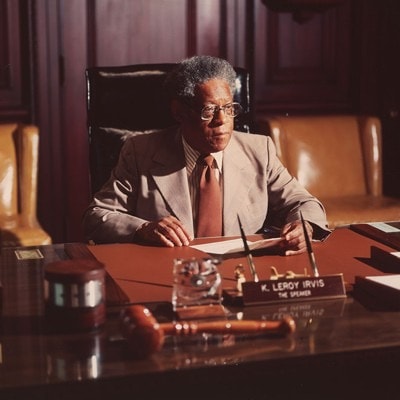
Pittsburgh's K. Leroy Irvis stands among the most consequential figures in that history. Elected to the Pennsylvania House in 1958, Irvis rose through party leadership before becoming the first African American Speaker of the Pennsylvania House of Representatives in 1977. He was the first Black person to lead a state legislative chamber in the United States since Reconstruction.
His influence extended beyond the speakership. During his legislative career, Irvis sponsored or cosponsored more than 1,600 pieces of legislation and helped advance initiatives involving civil rights, education and economic opportunity.
Today, the leadership landscape includes another generation of trailblazers.
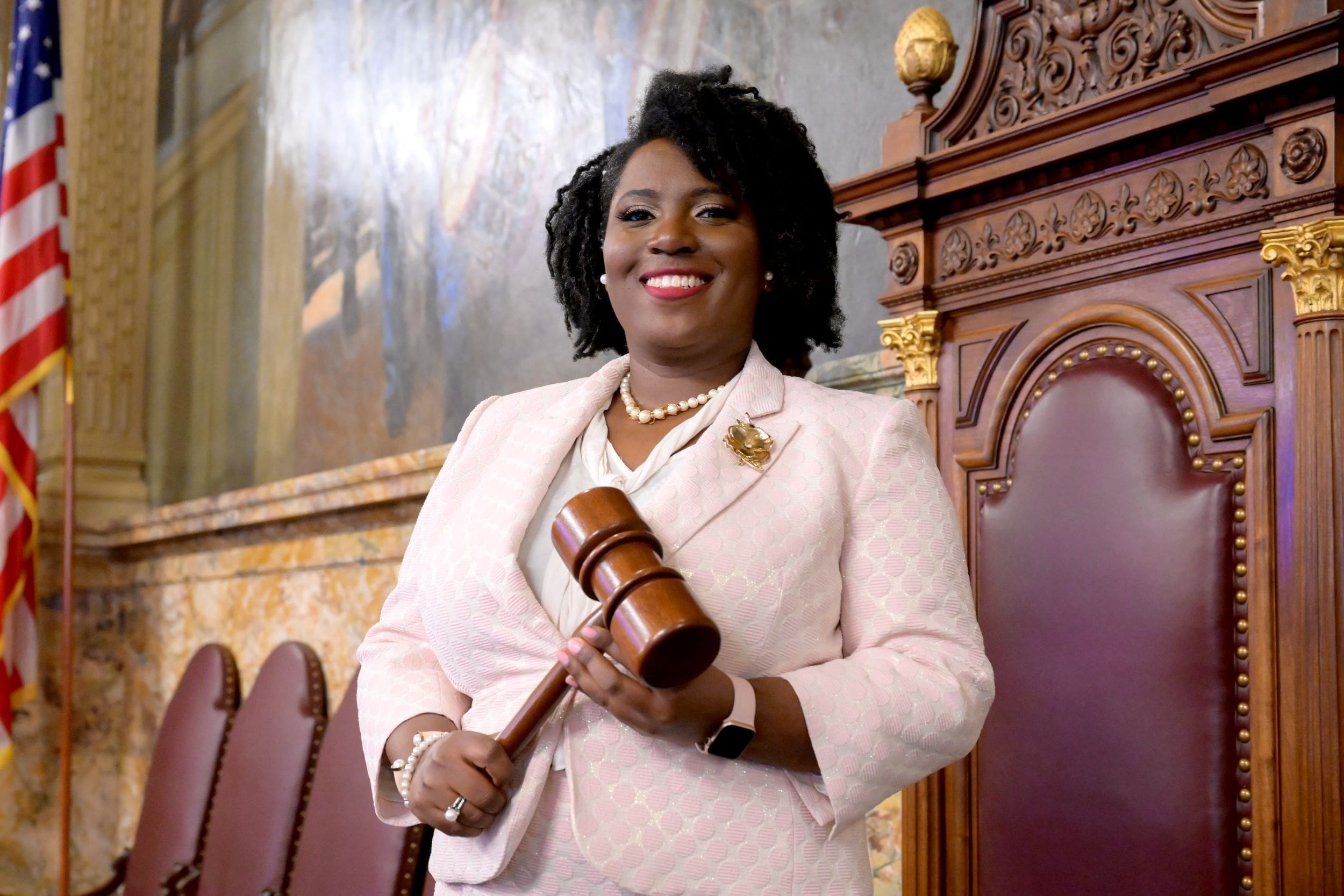
Joanna McClinton made history in 2023 as the first woman and second Black person to serve as Speaker of the Pennsylvania House.
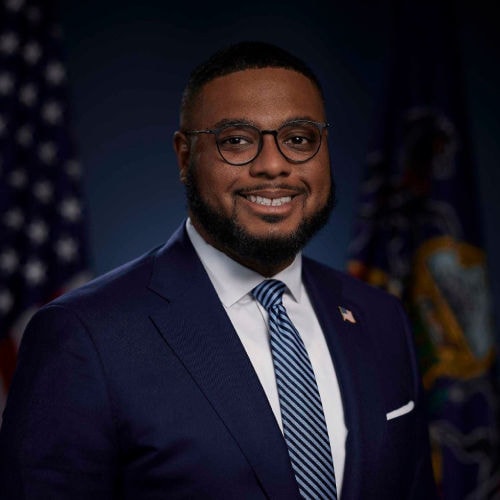
Austin Davis became Pennsylvania's first Black lieutenant governor in 2023, bringing a new level of visibility to Black leadership in the executive branch.
Their accomplishments are part of a larger story about access to political institutions, leadership and the ability to influence decisions affecting millions of Pennsylvanians.
Pittsburgh’s Voice in Washington
Black political representation in Pennsylvania also extends to the nation's capital.
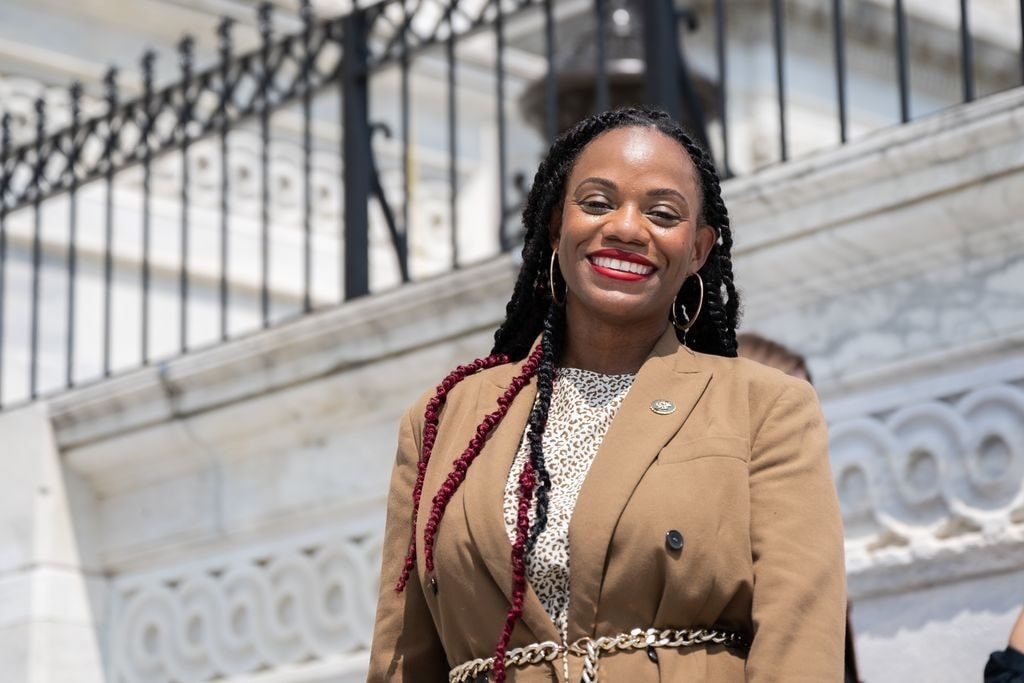
Congresswoman Summer Lee represents Pennsylvania's 12th Congressional District, which includes Pittsburgh and surrounding communities. Her election marked a historic milestone as the first Black woman elected to Congress from Pennsylvania.
Congressman Dwight Evans represents Pennsylvania's 3rd Congressional District in Philadelphia. Both are part of the Commonwealth's current congressional delegation.
Their presence in Washington connects local communities to national conversations about federal spending, education, health care, housing, economic opportunity, civil rights and public policy.
Their elections also continue a legacy that includes Robert N.C. Nix Sr., the first Black Pennsylvanian elected to the U.S. Congress in 1958.
The question is not simply how many Black Pennsylvanians hold elected office. It is also what influence they can exercise, what coalitions they build, what legislation they advance and how effectively they represent the communities that sent them to Washington.
The Black Vote: A Political Force That Must Be Sustained
The history of Black voting rights in Pennsylvania is a reminder that access to the ballot was never guaranteed.
Free Black men in Pennsylvania had voting rights under earlier constitutional provisions, subject to qualifications. But in 1838, the state constitution inserted the word “white” into voter qualifications, stripping Black men of the right to vote.
Pittsburgh's Black community was part of the resistance to that exclusion. Black leaders organized, petitioned and challenged efforts to deny them political participation.
The Fifteenth Amendment, ratified in 1870, prohibited denying the right to vote on account of race, color or previous condition of servitude. But the struggle for meaningful access to the ballot continued through generations, eventually leading to the Voting Rights Act of 1965.
Today, the responsibility to exercise that right remains significant.
The Black vote can influence elections, shape political priorities and help determine which leaders have the opportunity to govern. But that influence is strongest when participation is consistent, informed and connected to community priorities.
Voting in presidential elections matters. So do midterm elections, state legislative races, county elections, judicial contests, municipal elections and local school board races. Decisions made at every level of government can affect education, public safety, transportation, housing, health care, economic development and the future of our neighborhoods.
Beyond Election Day: What Does Political Power Deliver?
The ultimate measure of political influence is not simply the number of people elected. It is what those leaders accomplish, who they are accountable to and whether the communities that supported them see meaningful results in their daily lives.
Are Black communities represented when public budgets are developed? Are Black-owned businesses included in economic development opportunities? Are schools receiving the resources students need? Are housing, health disparities and employment barriers receiving sustained attention? Are community voices included before major decisions are made—not simply after they have been announced?
These are questions that deserve to remain part of the conversation long after the election results are counted.
Black political power is built through a combination of voting, organizing, leadership, advocacy, economic influence and accountability. It requires elected officials who understand the communities they represent, institutions willing to engage those communities and residents who recognize that their participation does not end at the ballot box.
The Next Generation of Black Political Leadership
Pennsylvania's political history tells a story of people who challenged barriers, organized for representation and opened doors for future generations.
From the early Black leaders who fought for citizenship and voting rights, to the organizers who built political coalitions in Pittsburgh's neighborhoods, to K. Leroy Irvis, Summer Lee, Austin Davis, Joanna McClinton and others serving in public office today, each generation has contributed to the evolution of Black political influence.
But the work is unfinished.
The next chapter will depend on whether younger generations understand the history, become engaged in civic life, develop leadership within their communities and recognize the importance of participating in every level of the democratic process.
The vote is a voice. Leadership is a responsibility. Political influence is built through participation.
As Pennsylvania moves forward, the question for Black communities is not simply who will win an election.
It is who will help shape the future—and whether the collective power of the Black vote will continue to have a meaningful place in that future.
Your vote is your voice. Make it count on Election Day.
2026 Voter Guide →