
100 Years of Pitt’s Cathedral of Learning: The Black Pittsburgh History Inside the Landmark
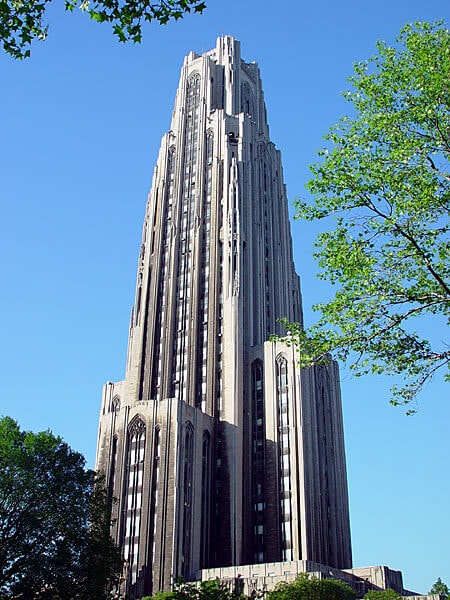
For 100 years, the University of Pittsburgh’s Cathedral of Learning has been one of the most recognizable landmarks in Pittsburgh. But at Pittsburgh Urban Media, we wanted to look at the Cathedral from another perspective: What is the Black Pittsburgh history inside the Cathedral of Learning?
In 2026, Pitt is celebrating the centennial of the Cathedral’s groundbreaking and inviting the community to reflect on the building’s history and what comes next.
The answer is not one story.
It is a history of activism, education, community organizing, scholarship, culture and representation that unfolded inside—and around—one of Pittsburgh’s most important buildings.
Two chapters stand out.
In 1969, Black students staged a nonviolent takeover of the Cathedral’s eighth-floor Computer Center, demanding fundamental changes at Pitt.
And beginning in 1972, Black community leaders organized a campaign that eventually brought the African Heritage Classroom to the Cathedral, creating a permanent space devoted to African heritage.
These were different efforts, separated by years and driven by different goals.
But together, they help tell a larger story about Black Pittsburgh and Pitt.
A Cathedral Built for the Future
The Cathedral of Learning broke ground in September 1926.
The vision was enormous: a Gothic tower that would become the centerpiece of Pitt’s Oakland campus and a place where students could learn, research and gather. Pitt is marking that 1926 groundbreaking throughout 2026 as part of the Cathedral’s centennial.
The building would eventually become home to classrooms, laboratories, offices and the Nationality Rooms—a collection designed to recognize the cultures and communities that helped shape Pittsburgh.
But the story of who belonged inside the Cathedral continued to evolve.
And decades later, Black students and community leaders would make their own mark on its history.
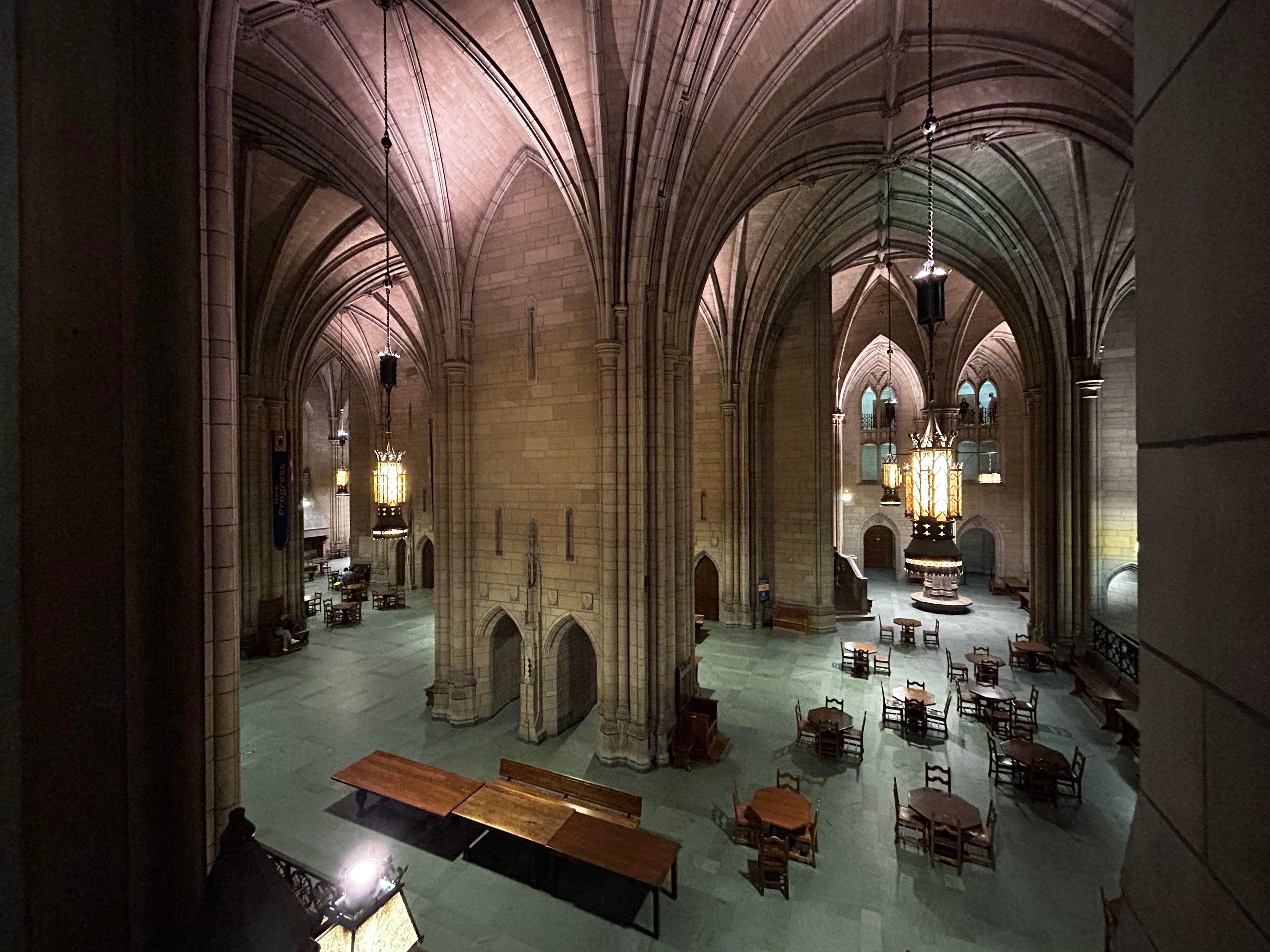
The Cathedral of Learning’s Commons Room, where generations of Pittsburgh students have gathered since 1931.
The Timeline
1926
The Cathedral Breaks Ground
Pitt begins construction of the Cathedral of Learning, launching one of the most ambitious building projects in the University’s history. The Cathedral would ultimately become a defining part of Pittsburgh’s Oakland skyline.
1931
Classes Begin
The first class is held in the Cathedral of Learning as the building becomes an active center of university life.
1938
The First Nationality Rooms
The first four Nationality Rooms—German, Russian, Scottish and Swedish—are dedicated. The Nationality Rooms program had grown from an effort to involve Pittsburgh’s ethnic communities in the Cathedral and allow those communities to help create classrooms reflecting their cultural heritage.
1968
Black Action Society Forms
Following the assassination of Dr. Martin Luther King Jr., Black students at Pitt organize the Black Action Society to address the needs and concerns of the University’s Black student community. Among its goals were increasing Black student recruitment, increasing Black faculty representation, incorporating African American history into the curriculum and establishing a Black Studies program.
1969
Black Students Take Over the Cathedral
On January 15, 1969, Black Action Society members staged a nonviolent sit-in at the University’s eighth-floor Computer Center inside the Cathedral of Learning. The date was significant: it was what would have been Dr. King’s 40th birthday. The students were demanding change, including a Black Studies program and greater recruitment of Black students, faculty and staff. Pitt administrators led by Chancellor Wesley Posvar agreed to immediately implement the students’ key demands.
1969
A New Academic Direction
Pitt’s Department of Africana Studies traces its roots to the department established in 1969 as the Department of Black Community Education, Research and Development. The program was intentionally connected to Pittsburgh’s Black community, with early faculty including educator and activist Sonia Sanchez and Pittsburgh poet and playwright Rob Penny.
1972
Black Pittsburgh Organizes for the African Heritage Classroom
Walter C. Worthington, a Pittsburgh Hill District playwright, poet, historian and community leader, initiated and chaired the African Heritage Classroom Committee. Fundraising and campaigning began in 1972. The goal: to create a permanent cultural space inside the Cathedral representing African heritage.
1986
The Design Is Approved
After years of fundraising, research and planning, the African Heritage Classroom’s design was formally presented and approved on May 8, 1986. Pittsburgh architect William J. Bates worked with Pitt professor of African American history Laurence Glasco on the design, centering it on an 18th-century Asante temple courtyard in Ghana.
1989
African Heritage Becomes Part of the Cathedral
The African Heritage Classroom was completed and dedicated on December 17, 1989. The 680-square-foot classroom incorporated African artistic and architectural traditions, including work by Nigerian woodcarver Lamidi Olonade Fakeye and Ghanaian artist Kweku Andrews. The 15-year fundraising campaign had raised more than $250,000.
Today
The History Remains Inside
The Cathedral continues to serve as a classroom, research center and cultural landmark. The African Heritage Classroom remains part of Pitt’s Nationality and Heritage Rooms tradition, while the legacy of the 1969 Black Action Society continues through Africana Studies and the University’s broader Black community. And in 2026, the Cathedral turns 100.
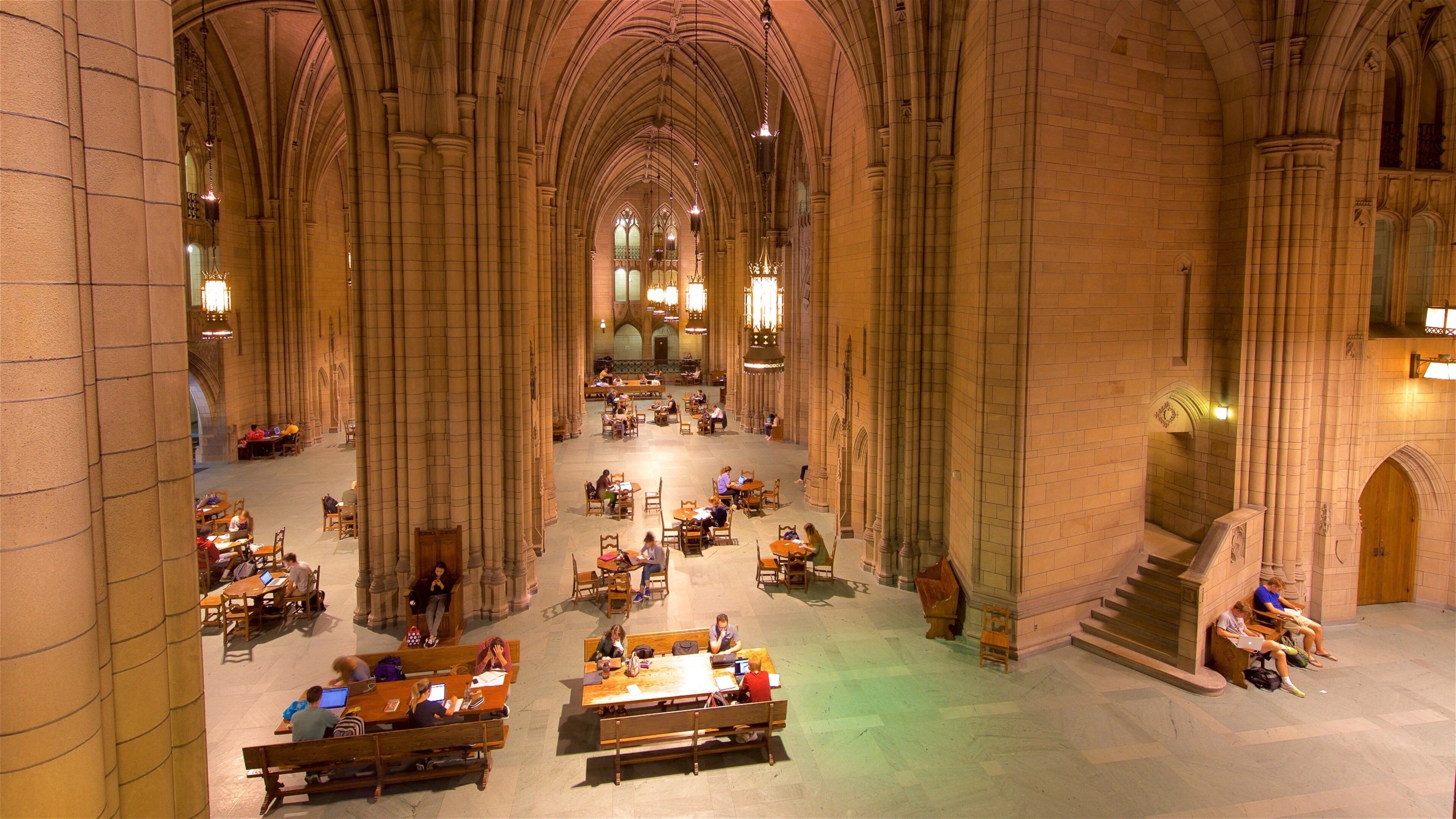
Students in the Cathedral of Learning’s Commons Room. The building has been a center of university life since 1931.
Why This History Matters
A centennial is naturally a time to look backward.
But whose history gets remembered?
The Cathedral’s story is often told through its architecture, its towering height, the Nationality Rooms, famous research and the generations of students who have passed through its doors.
Those stories matter.
But so does what happened when Black students entered those same doors and demanded that Pitt change.
And so does what happened when Black community leaders decided that African heritage deserved a permanent place inside the Cathedral.
Black Students Demanding Institutional Change
In 1969, Black Action Society members occupied the Cathedral’s Computer Center, demanding a Black Studies program, greater faculty representation and increased recruitment of Black students. Their action helped launch what became Africana Studies.
Black Community Leaders Creating Cultural Representation
Beginning in 1972, Pittsburgh community leaders organized a 15-year campaign to bring the African Heritage Classroom to the Cathedral—a permanent Pan-African space inside one of Pittsburgh’s most iconic buildings.
The 1969 Computer Center takeover and the African Heritage Classroom were not the same movement. They were not one continuous project.
But they represent two important forms of engagement: one challenged Pitt from inside the Cathedral; the other helped permanently change what could be seen and experienced inside it.
Read the Full Stories
1Pittsburgh Legacy · 1969When Black Students Took Over the Cathedral: The 1969 Action That Changed PittRead the full story →2Pittsburgh Legacy · 1989The African Heritage Classroom: The Black Pittsburgh Story Inside Pitt’s Cathedral of LearningRead the full story →As Pitt celebrates the Cathedral of Learning’s 100th anniversary, we are looking beyond the landmark itself.
We are looking at the people who helped shape what happened inside it. The students. The organizers. The community leaders. The scholars. The artists. The architects. The people who believed that Black Pittsburgh should have a place in the story Pitt was telling.
The Cathedral is 100 years old. But the Black Pittsburgh history inside it is still being told.