
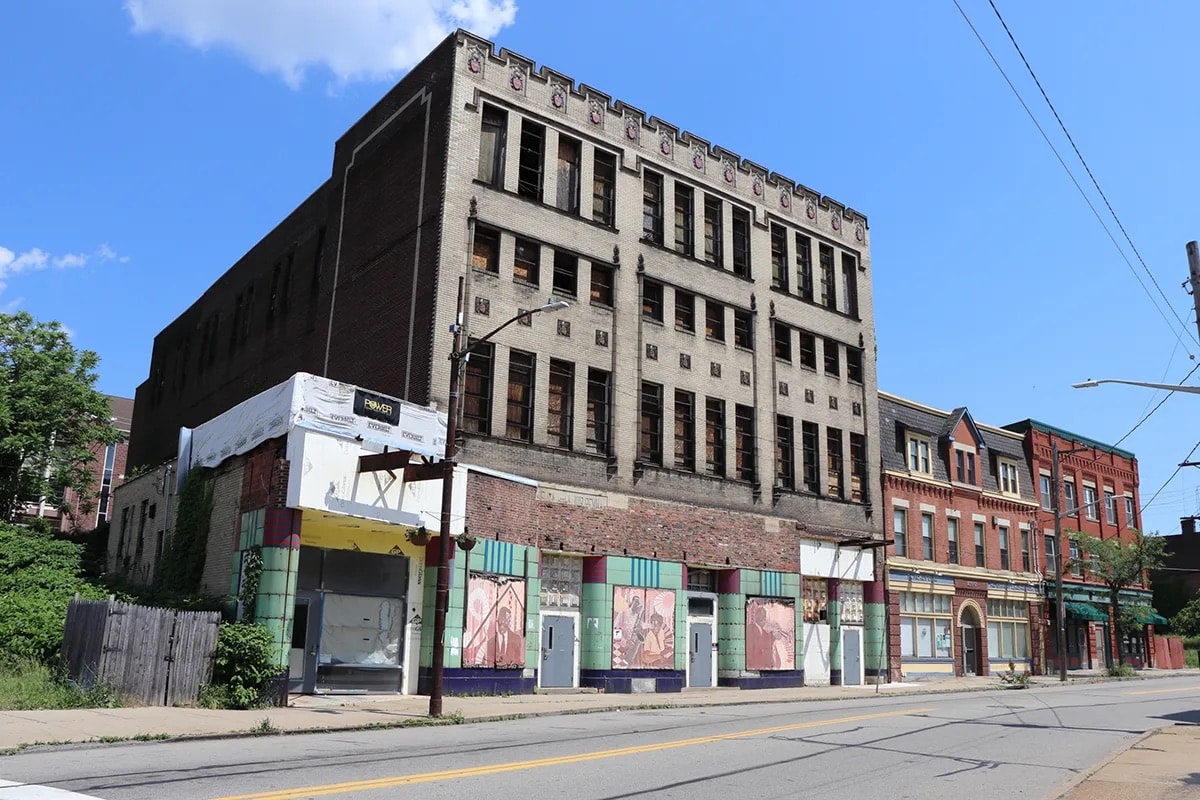
Last week, Pittsburgh celebrated exciting news: new investment was announced for the restoration of the historic New Granada Theater. The response was immediate. People shared memories, expressed excitement, and celebrated what the landmark means to the city. But why does this building matter so much? The answer is found in the history.
Take a trip back down memory lane to a time when the New Granada Theater was more than a building — it was a gathering place, a cultural destination, and a symbol of Black Pittsburgh.
The Beginning: A Community Landmark Is Born
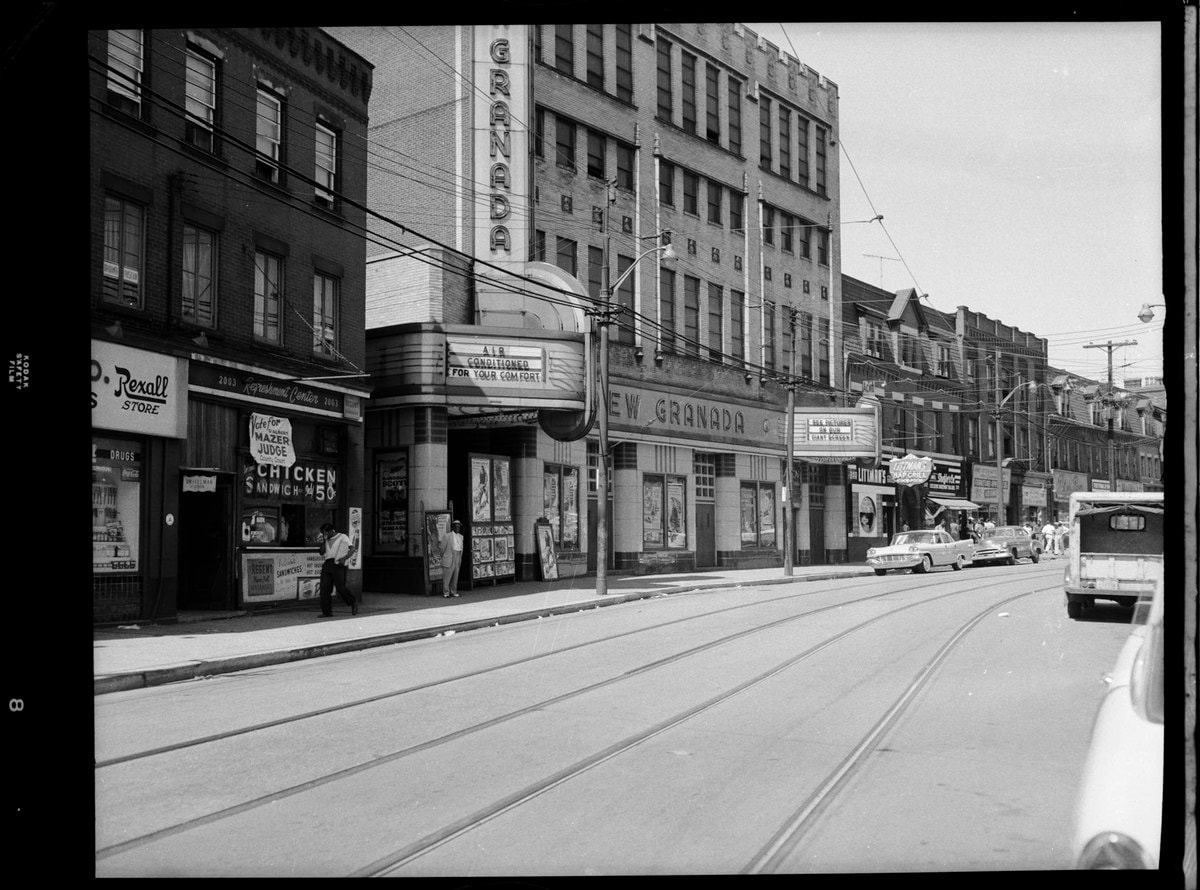
Located at 2007–2013 Centre Avenue in Pittsburgh’s Hill District, the New Granada Theater’s story began in 1928 when it opened as the Pythian Temple — a fraternal lodge and community hub commissioned by the Colored Knights of Pythias.
Designed by renowned Black architect Louis A. S. Bellinger, one of Pittsburgh’s most influential African American architects, the building was created as a place for community, culture, and connection. The original structure featured offices, a ballroom, and a drill hall — spaces designed not only for gatherings but for strengthening a growing Black community.
From Pythian Temple to Entertainment Destination
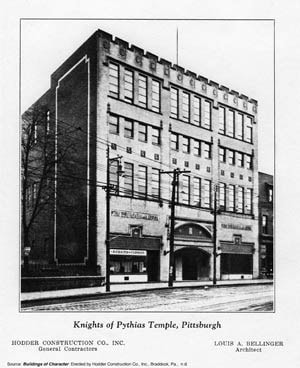
In 1937, the building was purchased and transformed into a commercial theater by promoter Harry Hendel. The space reopened as the New Granada Theater, featuring a striking polychromatic Art Moderne marquee and becoming a destination for movies, live performances, and entertainment.
It quickly became one of the most important cultural venues in Pittsburgh’s Hill District.
The Golden Era: Where Jazz Legends Came to Pittsburgh
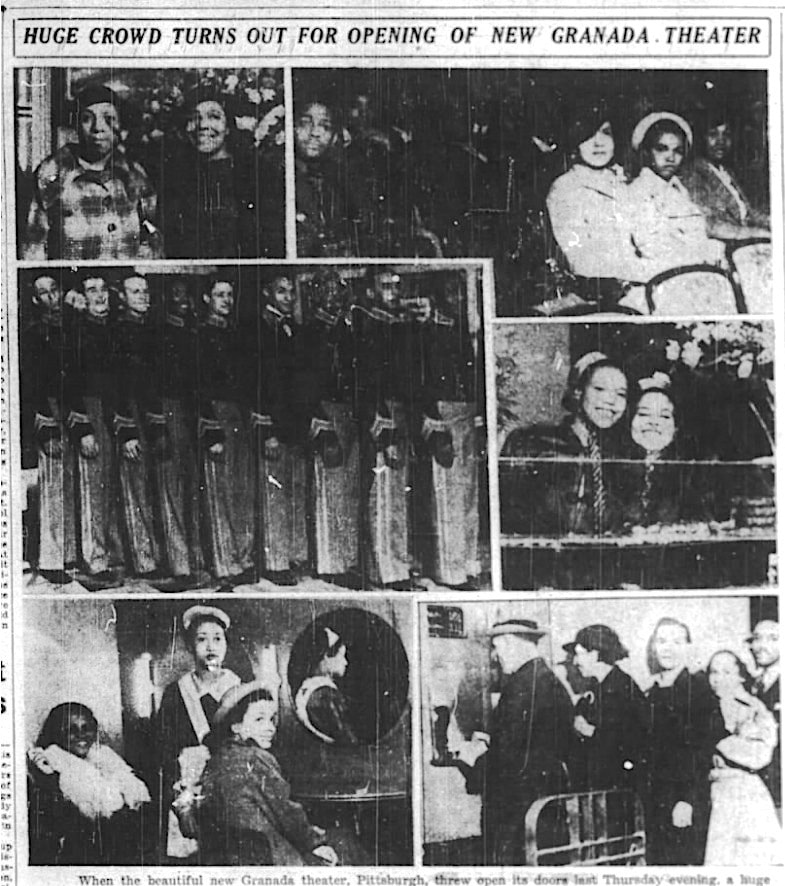
During the 1940s and 1950s, the Hill District was nationally recognized as a thriving center of Black culture, nightlife, and music. The New Granada Theater was at the heart of that movement.
The stage welcomed some of the biggest names in entertainment:
Duke Ellington
Ella Fitzgerald
Cab Calloway
Count Basie
Lena Horne
For generations of Pittsburghers, the Granada represented opportunity, excitement, and a place where Black audiences could experience world-class entertainment close to home.
“The New Granada was never just about performances. It was about the people. It was where families gathered, where friends met, where communities celebrated, and where generations created memories.”
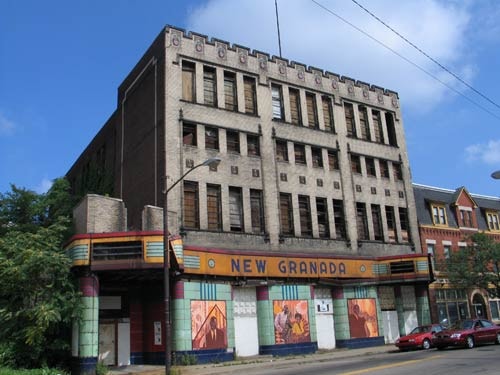
More Than a Theater — A Place Full of Memories
For many Pittsburghers, the Granada represents a time when the Hill District was a destination filled with Black-owned businesses, restaurants, music, and cultural energy. It was the kind of place that made the neighborhood feel alive — where you dressed up, where you showed up, where you belonged.
Like many historic neighborhood treasures, the New Granada faced difficult years. After closing in the late 1970s, the building sat vacant for decades. But its importance was never forgotten. In 2010, the New Granada Theater was officially added to the National Register of Historic Places, recognizing its architectural and cultural significance.
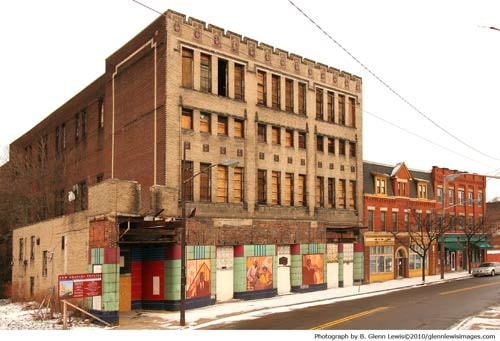
Preserving the Legacy, Building the Future
Today, the New Granada Theater is entering a new chapter. Led by the Hill Community Development Corporation, the historic landmark is being restored into a vibrant multi-purpose cultural space as part of the larger $45 million New Granada Square development.
A $1 million state investment through Pennsylvania’s Main Street Matters initiative has now fueled the next phase — one of the most significant investments in the Hill District’s built environment in decades.
Phase One: Completed
- ✓Structural floor reinforcement
- ✓Emergency life-safety systems
- ✓Exterior masonry restoration
- ✓Restoration of the iconic Art Deco marquee and historic colorful facade
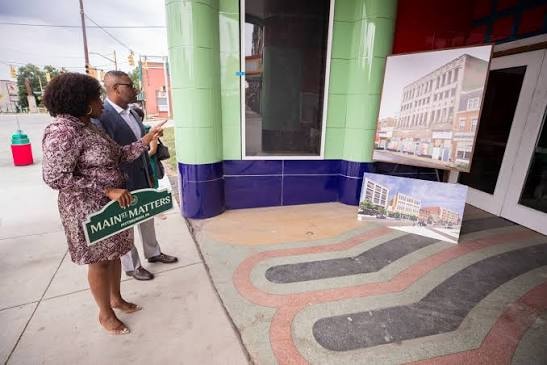
Phase Two: Interior Redevelopment Underway
The next phase focuses on transforming the interior into a fully activated community and entertainment destination. Plans include:
Café
Lounge
Commercial Kitchen
Multi-purpose Event Space
The revitalized venue will be operated in partnership with Live Nation and is expected to accommodate up to 900 guests, bringing major live entertainment back to Centre Avenue.
The building’s third floor is already active as the University of Pittsburgh Community Engagement Center, bringing new life into the historic space even before the full restoration is complete.
Why Pittsburgh Cares
The reaction to the revitalization announcement made one thing clear: people are not just excited about a renovated building. They are celebrating a piece of themselves.
The New Granada Theater is a reminder that history lives in places — and when communities preserve those places, they preserve the stories of generations. The new investment represents more than construction. It represents preservation. It represents honoring the people, music, and memories that made the Granada special.
The Granada is more than a theater. It is Pittsburgh history.
Do you have a New Granada memory? Share your story with PUM.
Share Your Memory →