
By PittsburghUrbanMedia.com · August 2026
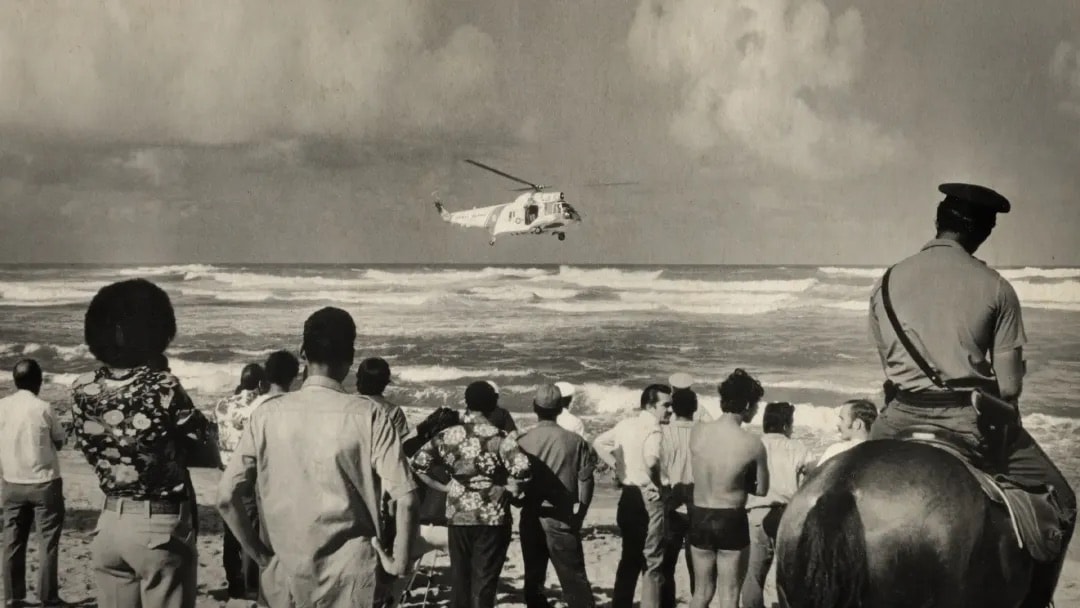
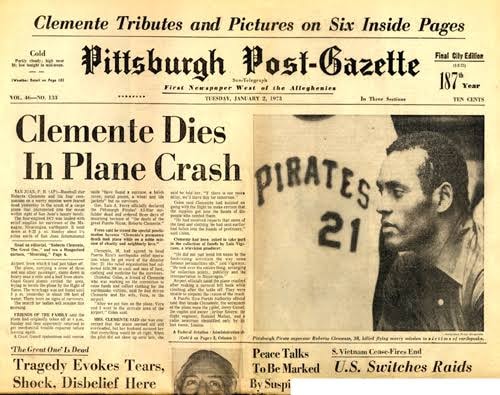
On the night of December 31, 1972, Roberto Clemente boarded a plane bound for Managua, Nicaragua. He had spent the days before Christmas organizing relief supplies for earthquake victims. He did not trust that the aid was reaching the people who needed it. So he went himself.
The plane went down shortly after takeoff. Roberto Clemente was 38 years old. His body was never recovered from the Atlantic Ocean.
More than half a century later, Pittsburgh is preparing to mark the 21st anniversary of his Hall of Fame induction with a week of events, tributes and community programming scheduled for September 11–15, 2026. For a city that has always claimed Clemente as its own, the celebration carries a weight that goes well beyond baseball.
The Player
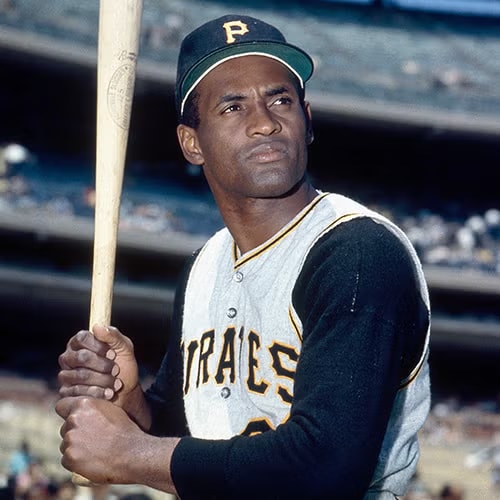
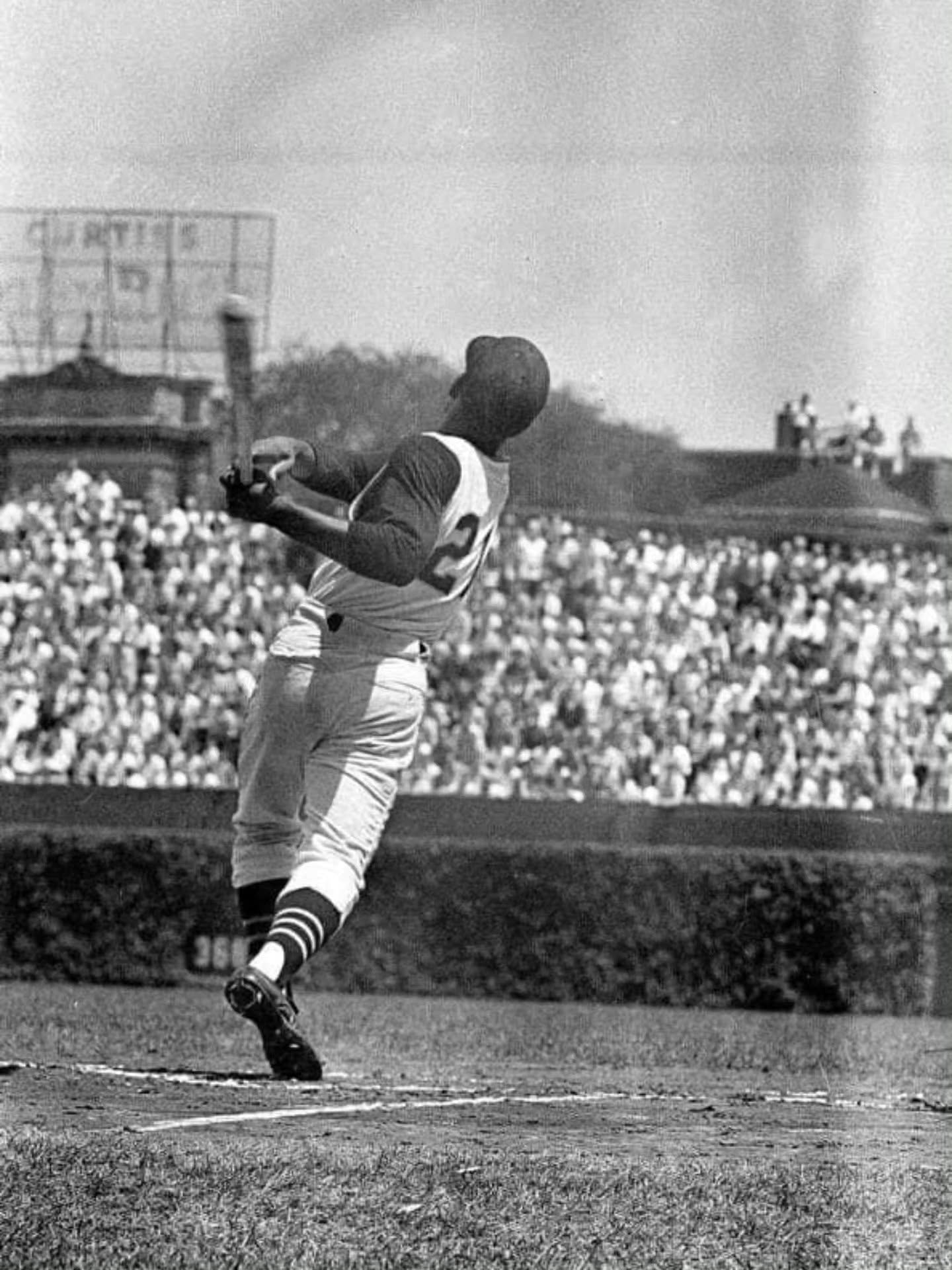
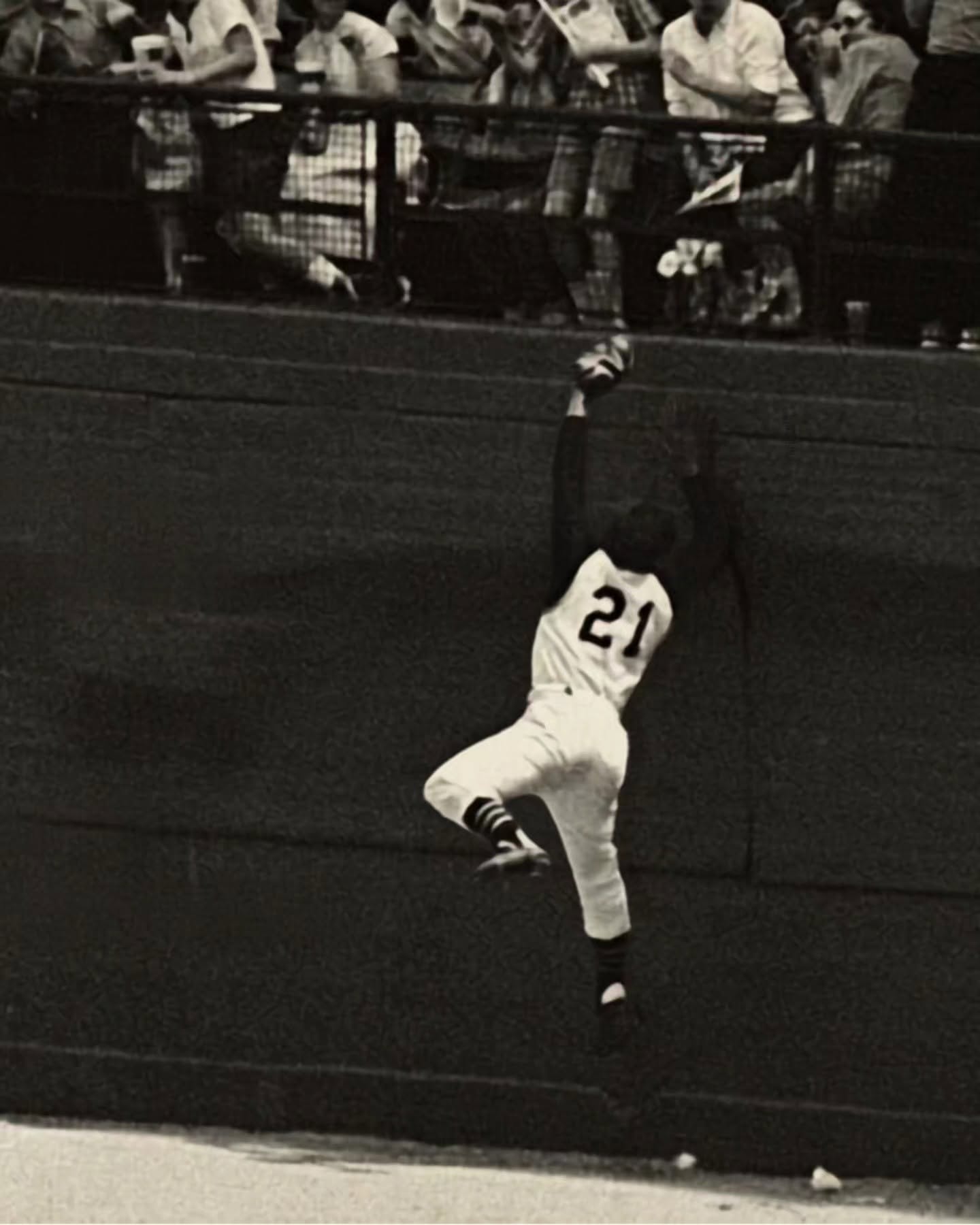
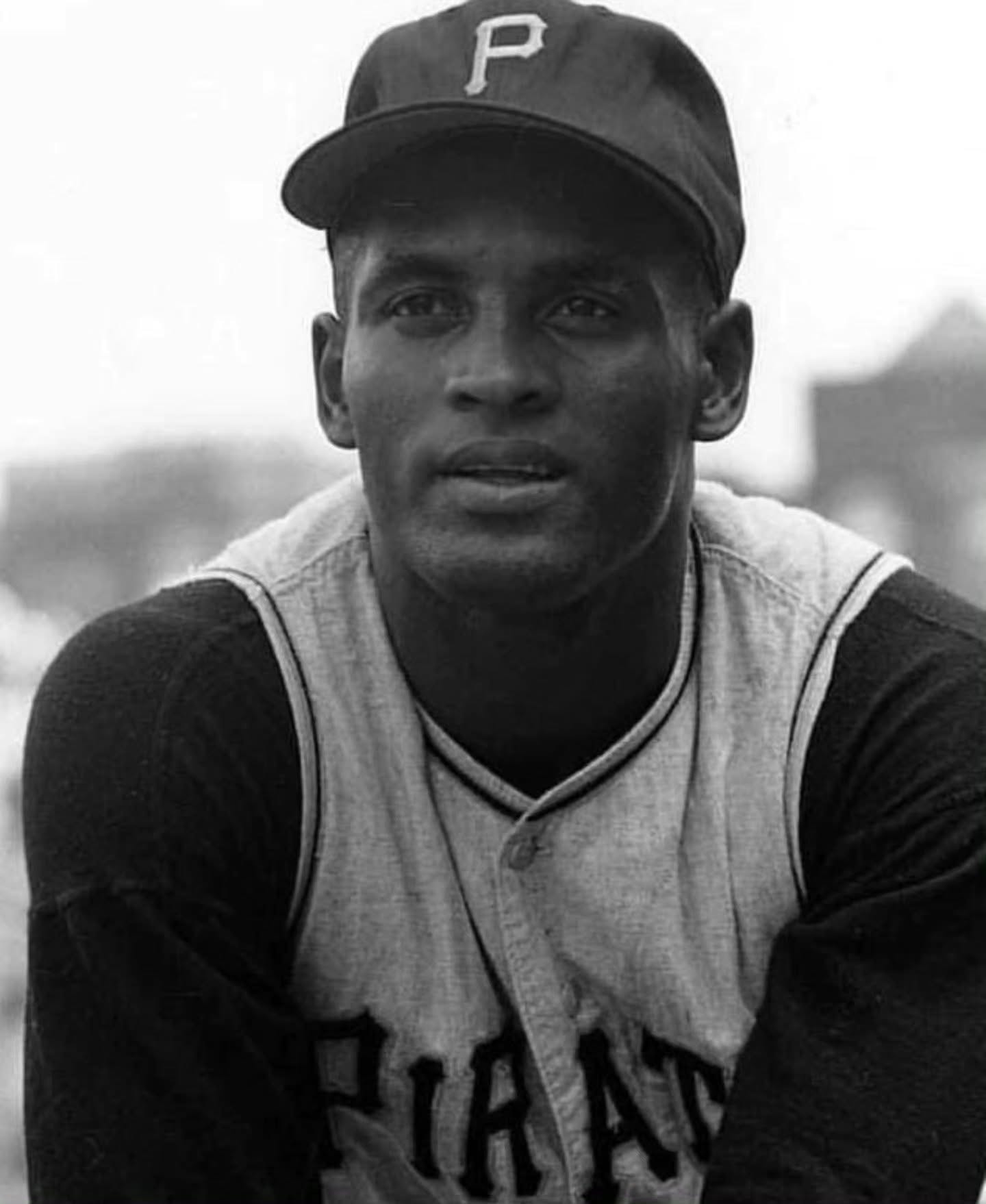
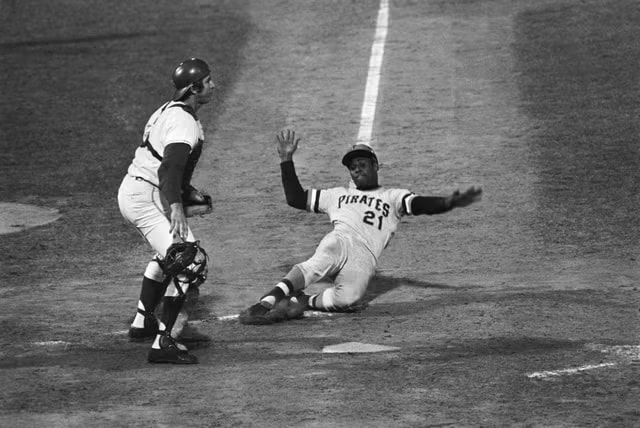
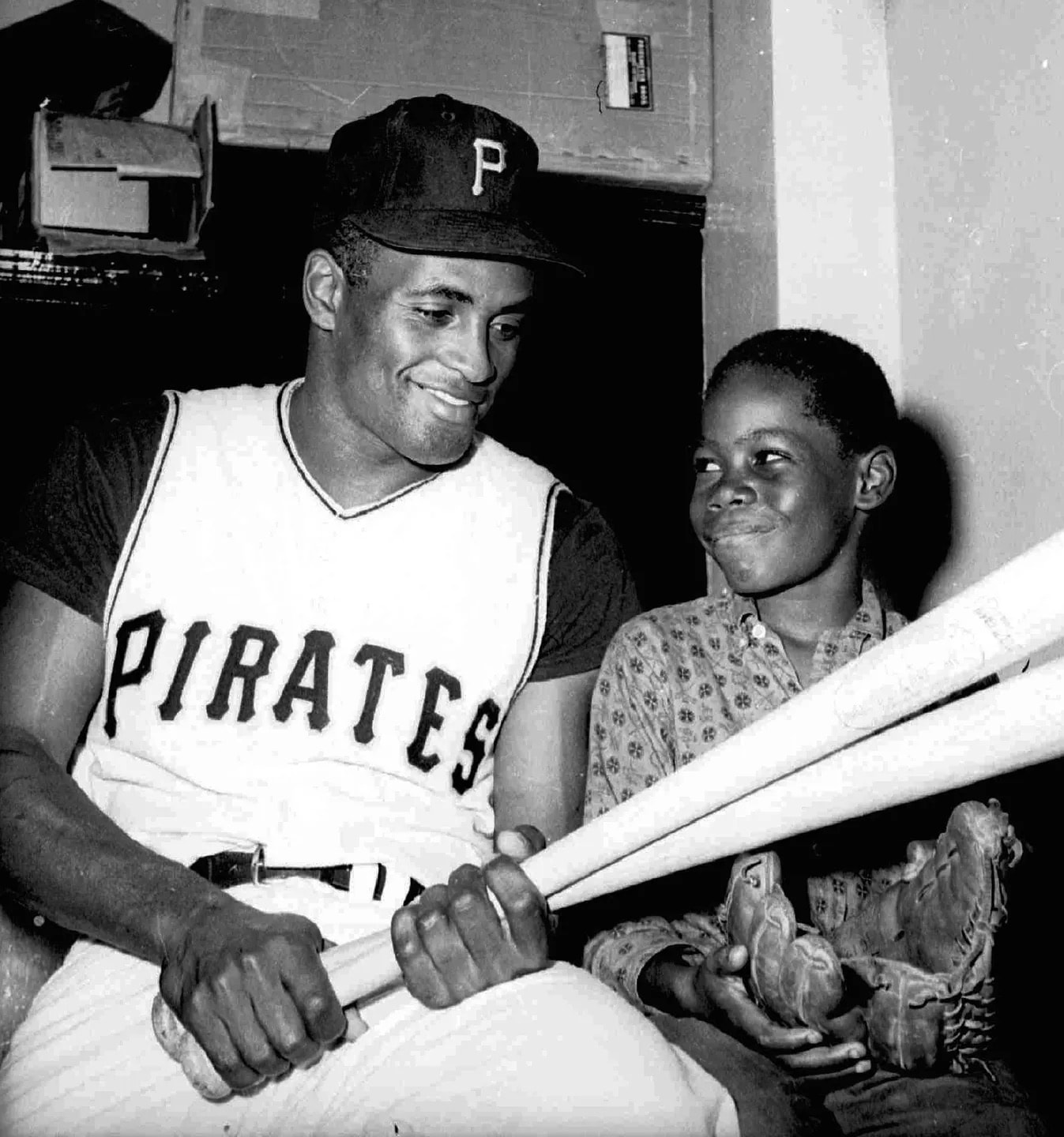
Roberto Clemente Walker was born on August 18, 1934, in Carolina, Puerto Rico. He signed with the Pittsburgh Pirates in 1954 and made his major-league debut the following year. Over 18 seasons, he became one of the most complete players the game has ever seen — a right fielder with a cannon arm, a hitter who finished with exactly 3,000 career hits, and a 12-time Gold Glove winner who played with an intensity that made Forbes Field and Three Rivers Stadium feel electric.
He was a four-time National League batting champion. He was the NL Most Valuable Player in 1966. He was the World Series MVP in 1971, when he put on one of the most dominant individual performances in Fall Classic history — batting .414 with two home runs as the Pirates defeated the Baltimore Orioles in seven games.

That 1971 World Series was historic for another reason. On September 1 of that season, Pirates manager Danny Murtaugh fielded what is believed to be the first all-minority starting lineup in major-league history. Clemente was at the center of it — a moment that resonated far beyond the box score and one that connected him permanently to the story of civil rights in American sports.
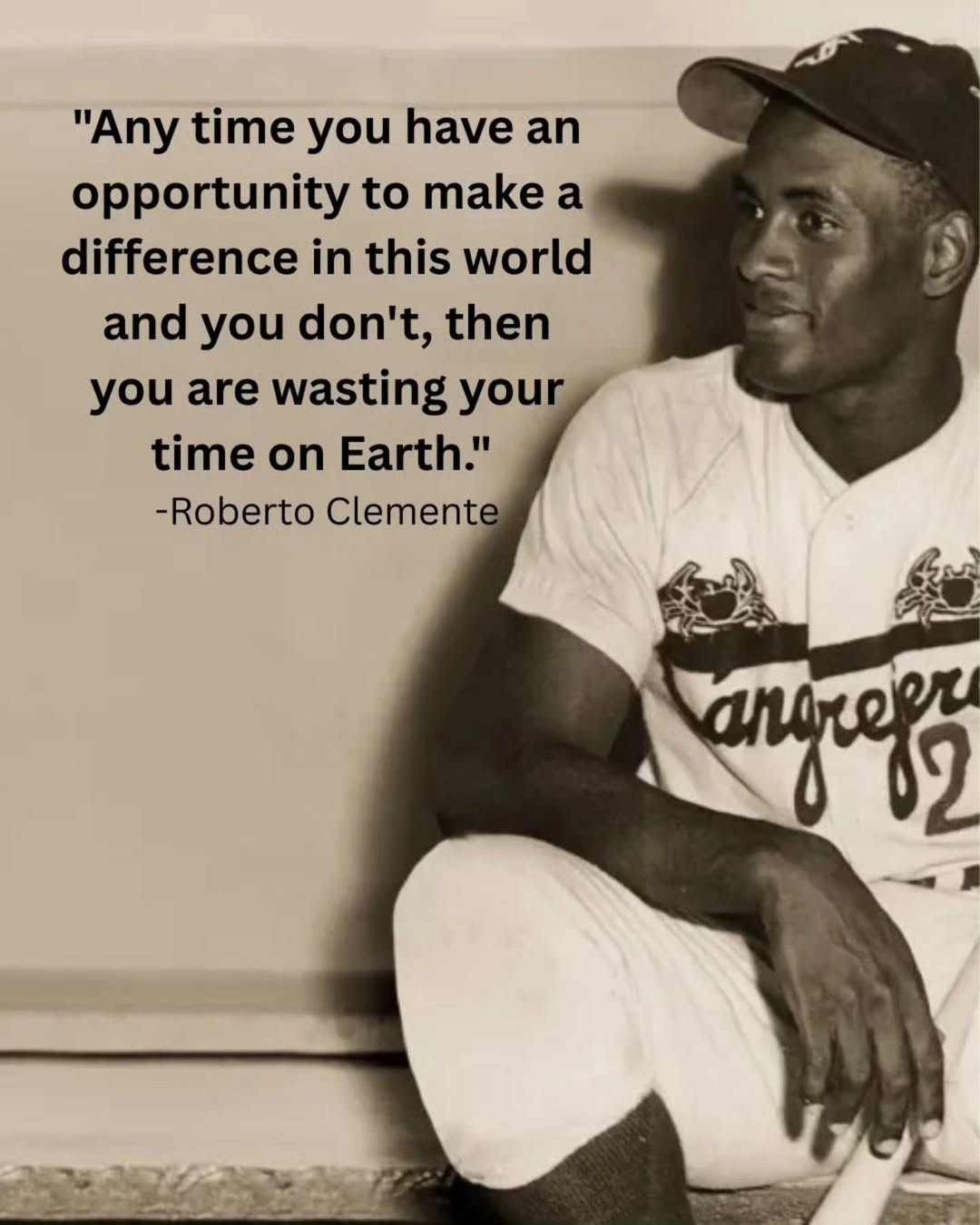
“If you have an opportunity to make things better and you don’t, then you are wasting your time on this earth.”— Roberto Clemente
The Number
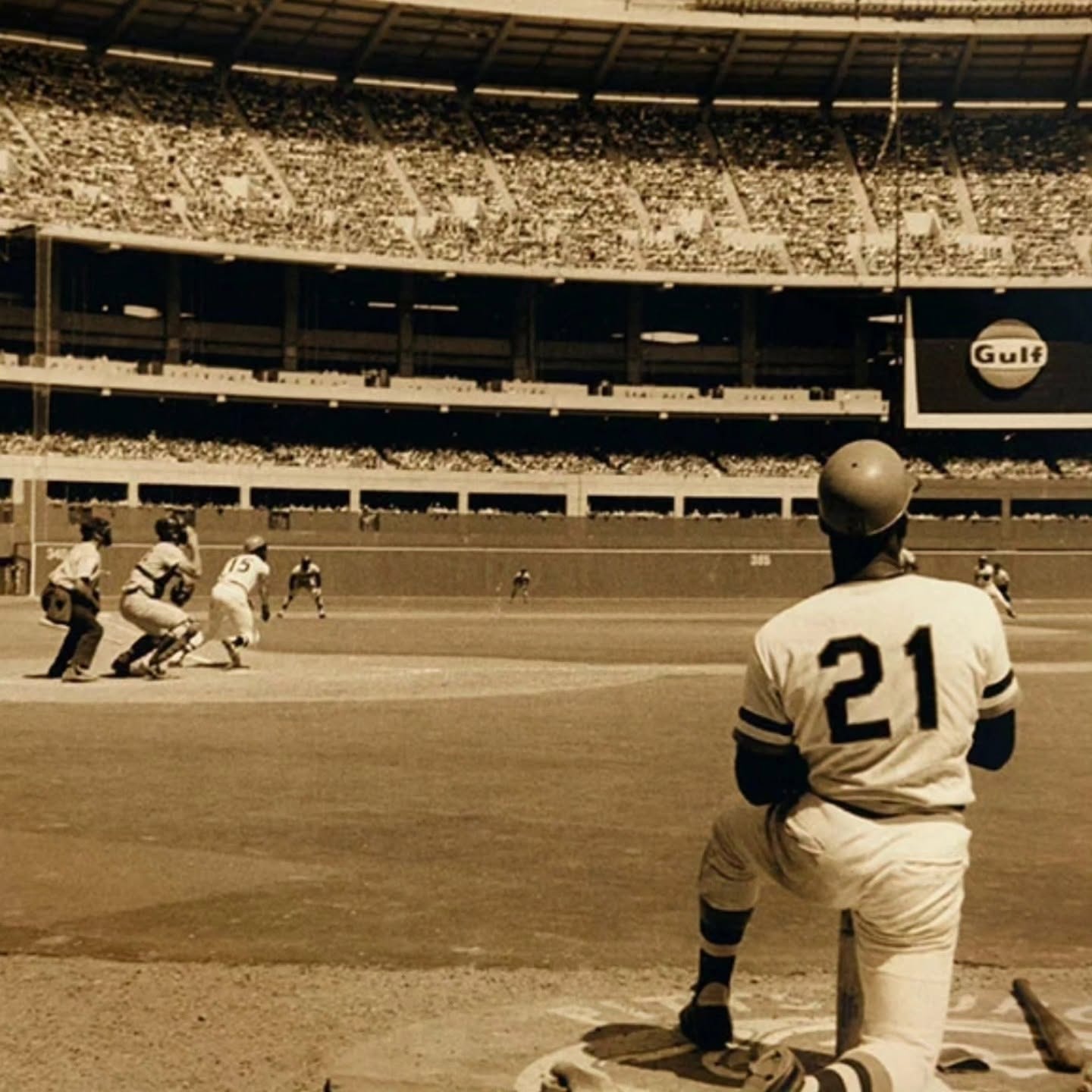
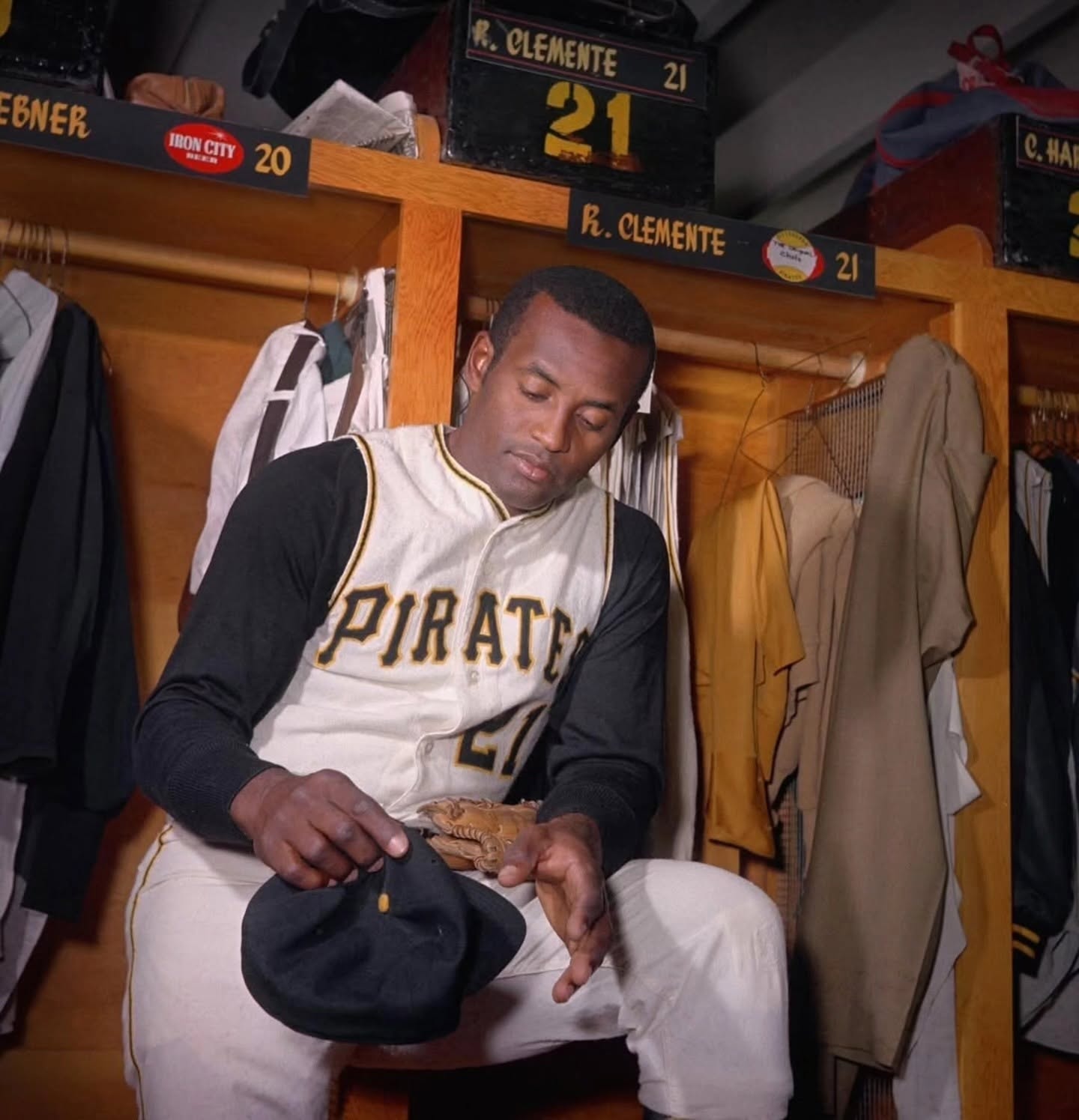
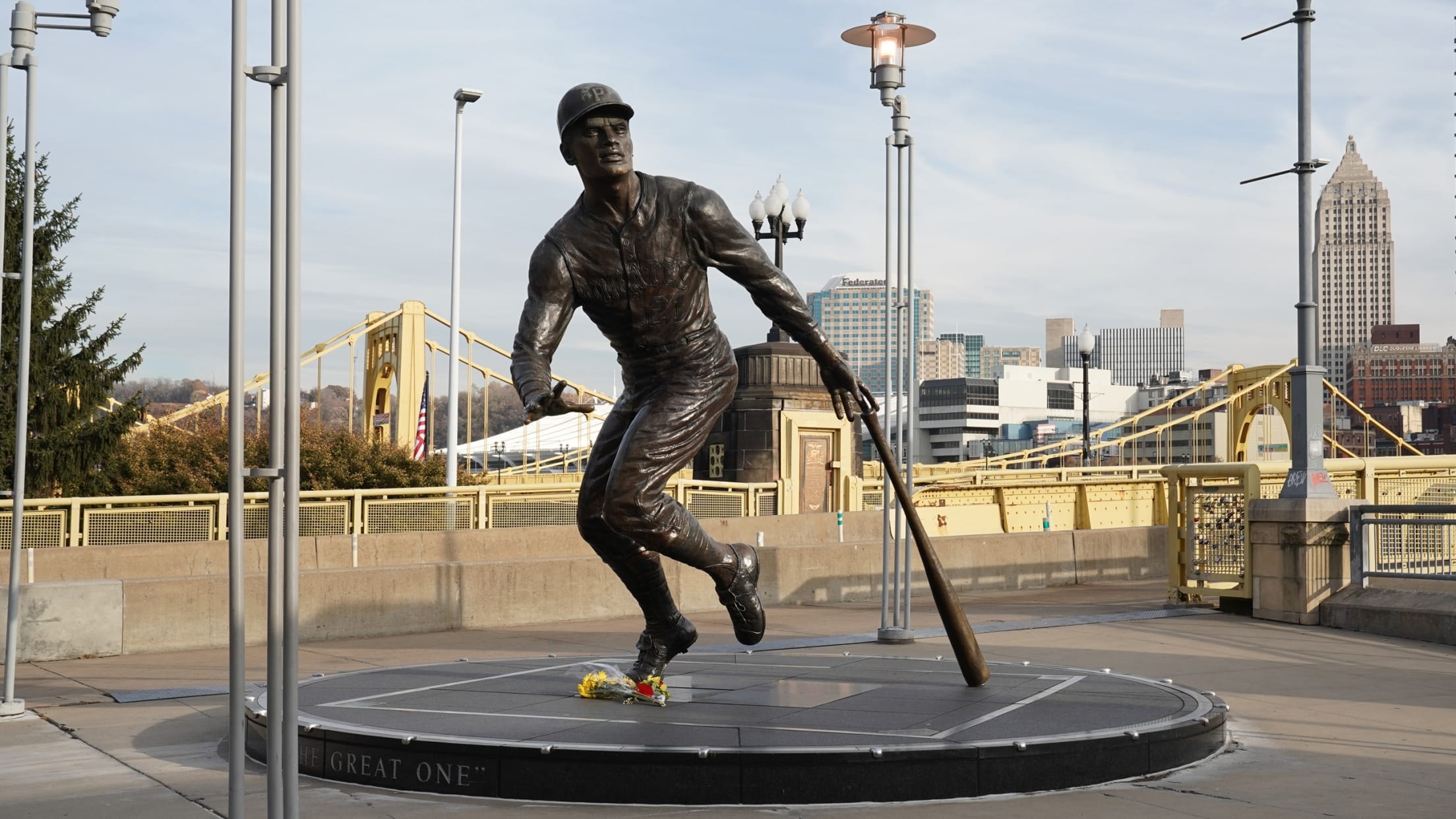
No. 21 was retired by the Pittsburgh Pirates in 1973, the year after Clemente’s death. Major League Baseball retired it across all teams in 2022 — only the third number in baseball history to receive that honor, joining Jackie Robinson’s No. 42 and Mariano Rivera’s No. 42 (shared). Every September 21, players across the league wear No. 21 in his honor.
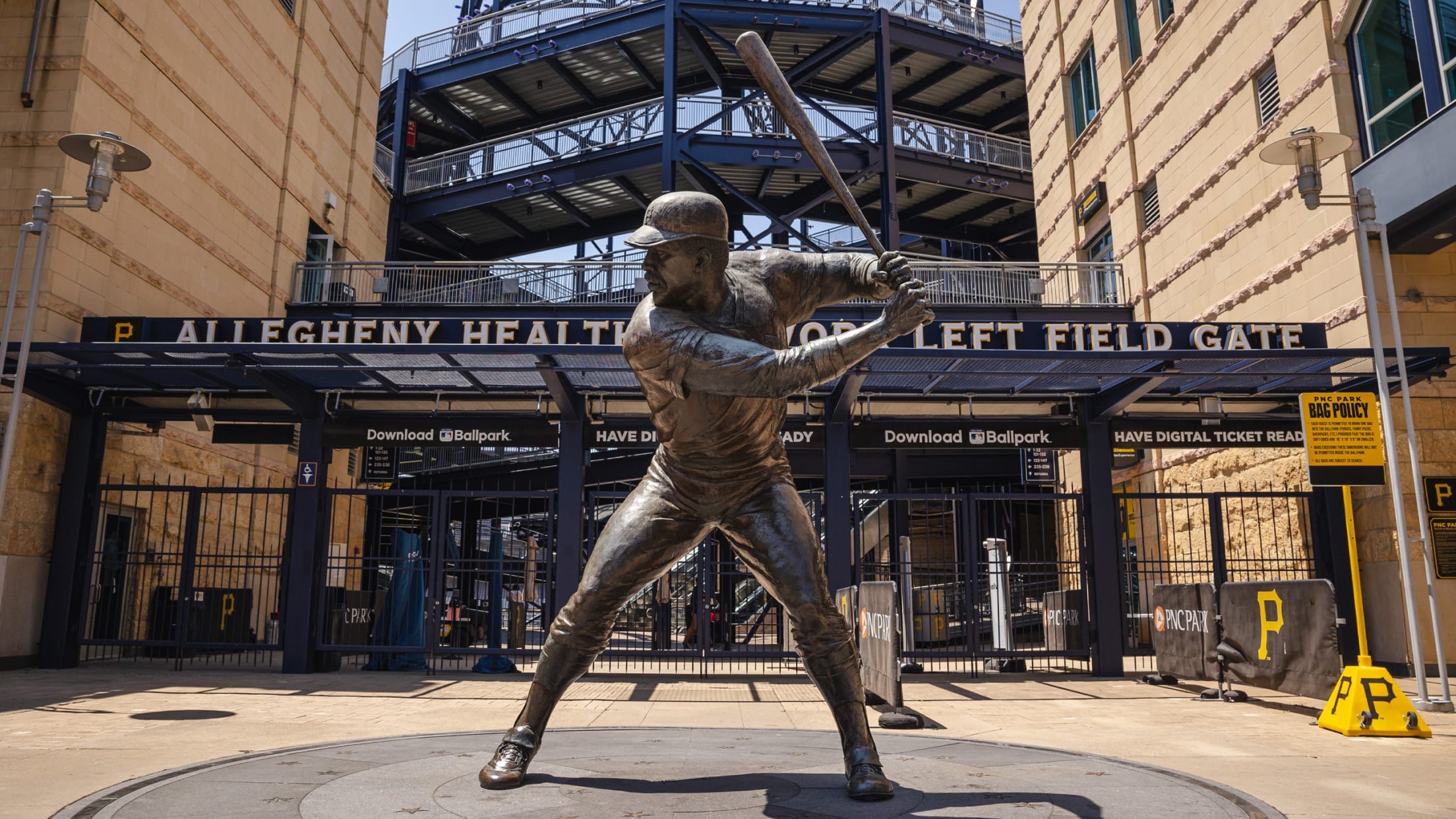
The number has become a symbol that extends far beyond the sport. In Pittsburgh, it appears on murals, on the Roberto Clemente Memorial Bridge that connects downtown to the North Shore, and on the Roberto Clemente Museum in the Strip District, which houses one of the most comprehensive collections of Clemente memorabilia in the world.

The Man Pittsburgh Claimed
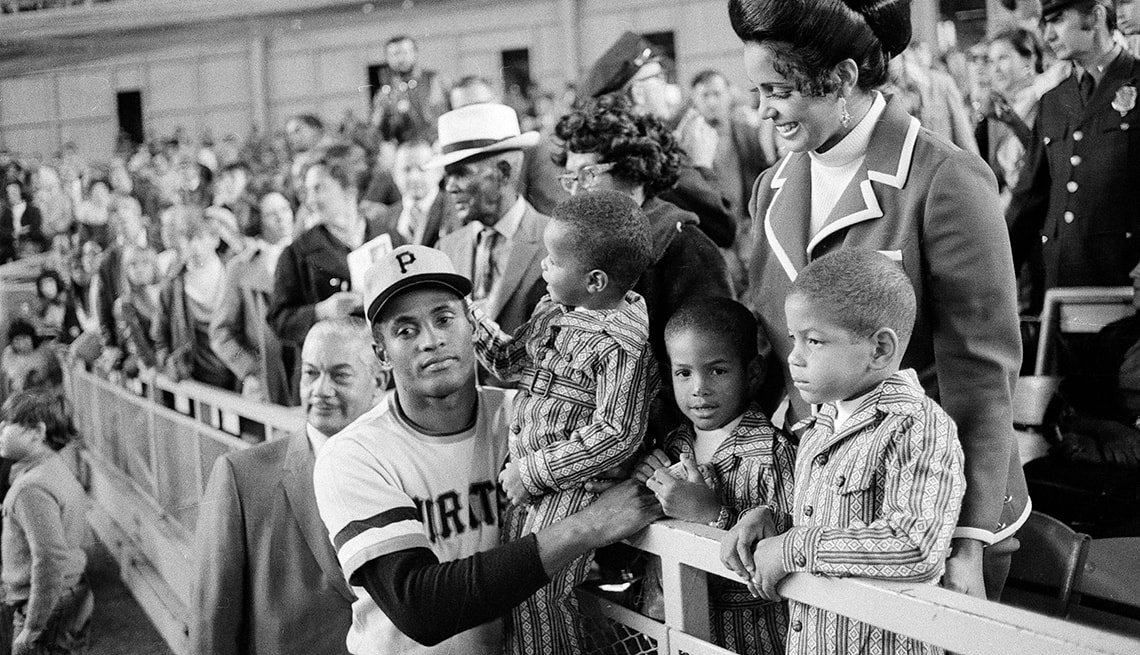
Clemente’s relationship with Pittsburgh was complicated and deep. He arrived in a city that was still navigating the racial tensions of mid-century America, and he navigated those tensions as a Black Latino man who spoke Spanish as his first language and refused to be diminished by either.
He was beloved by Pittsburgh’s Black community in ways that went beyond the game. He was a regular presence in the Hill District and in Homewood. He was covered extensively by the Pittsburgh Courier, the nationally influential Black newspaper that had long used sports as a lens for civil rights. The Courier’s sports editor, Bill Nunn Sr., and later his son Bill Nunn Jr. — who would become famous as a talent scout for the Steelers — both understood what Clemente represented.
He was a man who played with visible pride in his identity at a time when that pride was not always welcome. He spoke out against racism in baseball. He advocated for Latin players who were being underpaid and overlooked. He used his platform in ways that were uncommon for athletes of his era — and he did it without apology.
More Than Baseball: The Activist
Roberto Clemente understood the power of his platform. He was one of baseball’s biggest stars, but he did not believe his fame gave him permission to remain silent when he saw injustice. Clemente spoke openly about racism and discrimination and advocated for Black and Latino players. His own experiences as a Puerto Rican player shaped the way he viewed race and opportunity in professional baseball.
He never hid where he came from. His Puerto Rican identity was central to who he was, and he pushed back against stereotypes surrounding Latin American players. He wanted Latino athletes to know they belonged in Major League Baseball. But his advocacy wasn’t limited to Latino players. He recognized the struggles of Black athletes as well and increasingly used his public profile to speak about racial inequality.
Clemente’s career unfolded during one of the most turbulent periods in American history. The Civil Rights Movement was challenging segregation and discrimination throughout the country. Clemente admired Dr. Martin Luther King Jr. and identified with the larger struggle for equality. For Clemente, these weren’t abstract political issues. They affected his teammates, his community, his family and his own experience as a Latino player in America.
His message was essentially simple: being an athlete did not erase being a human being. And having a platform created a responsibility to use it. Clemente’s activism and humanitarianism came from the same belief in human dignity — and that philosophy would become even more important in the final months of his life.
Roberto Clemente and Black Pittsburgh
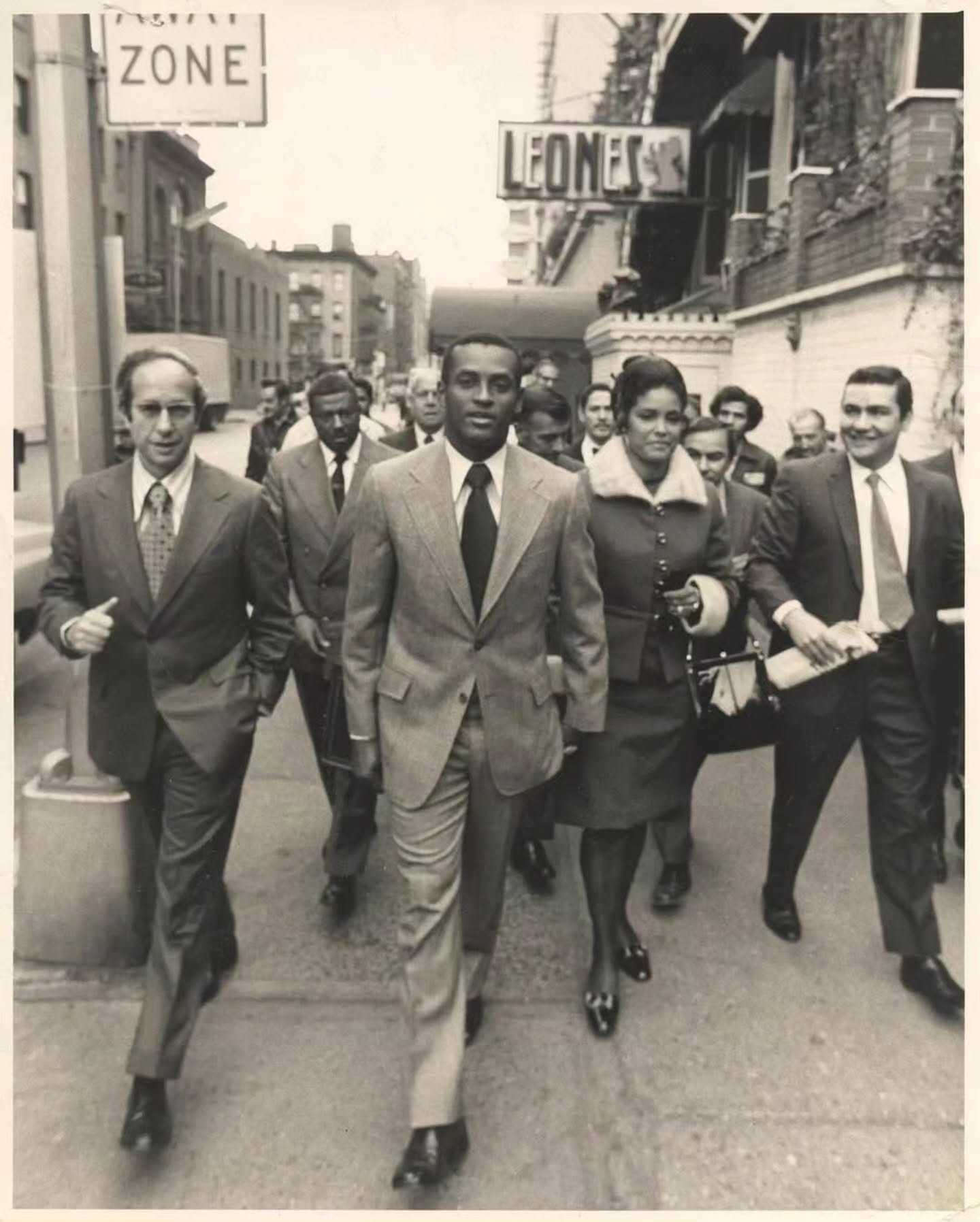
Roberto Clemente’s Pittsburgh story cannot be told without talking about Black Pittsburgh. When Clemente arrived in the city, he became part of a community with a long history of fighting discrimination and building institutions of its own. He lived in Pittsburgh’s Black community. And according to historian Samuel W. Black of the Heinz History Center, Clemente embraced that community — and the community embraced him.
The Pittsburgh Courier was one of the nation’s most influential Black newspapers, covering race, politics, culture and sports at a time when mainstream media frequently overlooked Black voices. Clemente wasn’t simply a Pirate playing baseball in Pittsburgh. He was a Black and Latino cultural figure whose success was being watched by communities that understood what representation meant.
By 1971, Pittsburgh had an extraordinary collection of Black and Latino talent. The team had 13 Black and Latino players on its roster. Then came September 1, 1971.
The significance of that lineup has grown with time. At the time, the historic nature of the moment wasn’t fully recognized — Pittsburgh newspapers were on strike, and the game received little local coverage. But decades later, the significance is unmistakable. A Major League team had put nine Black and Latino players on the field together. And it happened in Pittsburgh.
Clemente’s Pittsburgh legacy is therefore about more than where he played. It is about where he belonged. He became part of a Black community. He played alongside Black teammates. He advocated for Black and Latino players. And he helped create images of representation that young Pittsburghers could see for themselves.
The Legacy Continues
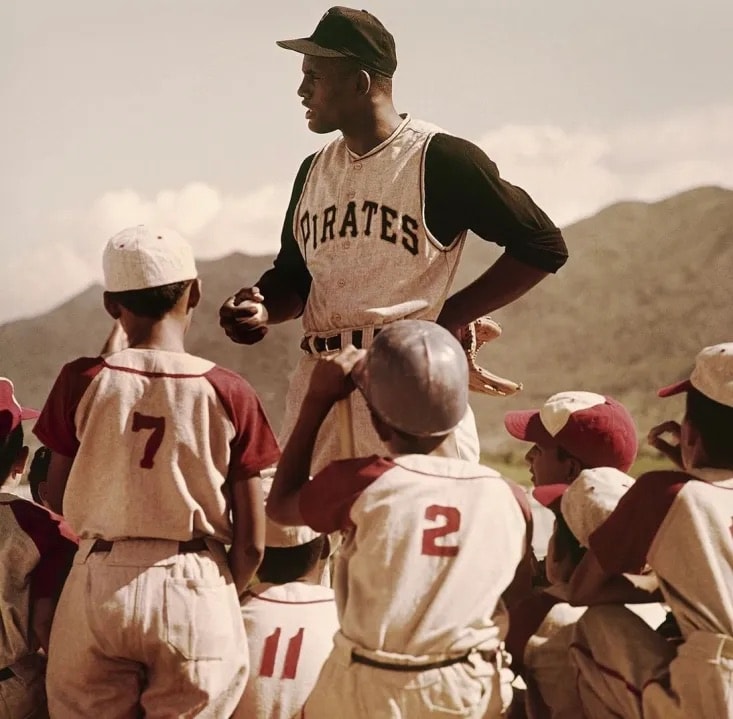
Roberto Clemente’s life ended in 1972. His work did not. The values that shaped his life — service, compassion, opportunity and responsibility — continue through organizations and programs carrying his name. The Roberto Clemente Foundation remains committed to community outreach, youth development and humanitarian work. Its youth baseball programs are designed to be about more than baseball skills, connecting young people with service and leadership opportunities.
The Roberto Clemente Award recognizes a player each year who demonstrates extraordinary character, community involvement and philanthropy. It is one of the most meaningful honors baseball can give. Because it doesn’t ask only: How well did you play? It asks: What did you do for other people? That is Clemente’s standard.
Roberto Clemente belonged to Puerto Rico. He belonged to baseball. He belonged to the communities he served. And, in a very real sense, he became part of Pittsburgh. The city watched him become a superstar. Black Pittsburgh embraced him. The Pirates became his baseball home. And generations of Pittsburghers grew up understanding that No. 21 represented something bigger than a batting average.
Mark Your Calendar — September 2026
Pittsburgh Celebrates Roberto Clemente
Little Legends 21 Day of Play
Munhall, PA
A community day of play honoring Clemente's love of youth and sport.
Roberto Clemente Day
PNC Park — Pirates vs. Milwaukee Brewers
MLB's annual tribute to No. 21. Players across the league wear his number.
Three events. One legacy. And a city remembering a man who gave Pittsburgh much more than baseball.
Clemente believed that people who had an opportunity to make things better should do so. That challenge remains — for athletes, for community leaders, for parents, for young people, for all of us.— Pittsburgh Urban Media