
By PittsburghUrbanMedia.com · August 2026
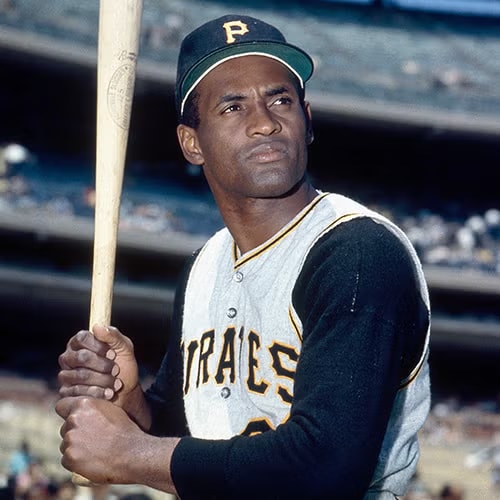
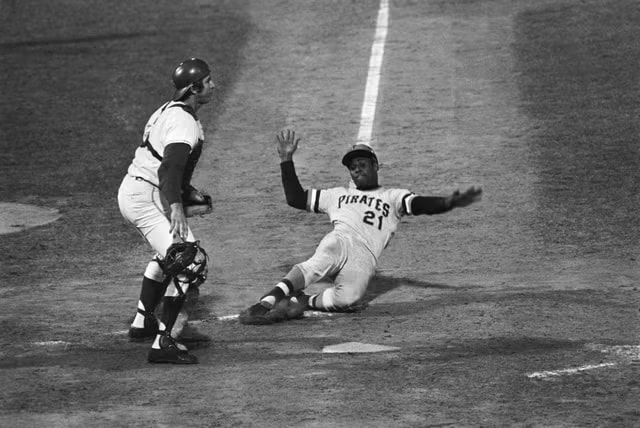
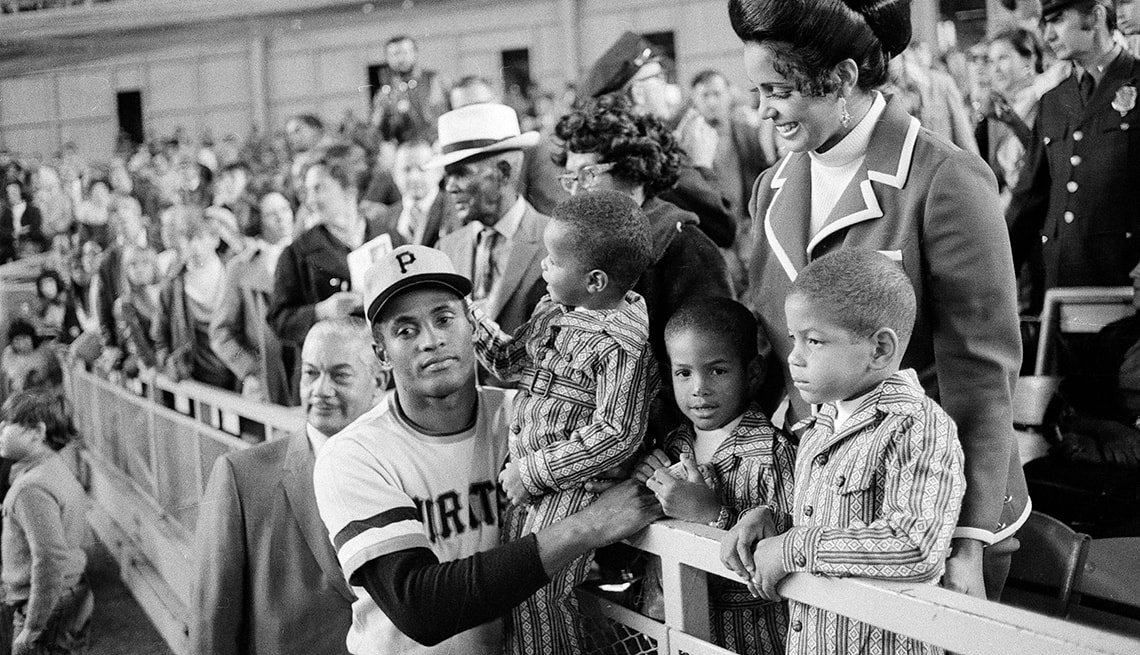
← Part I: What He Meant to PittsburghBy the end of 1972, Roberto Clemente had already established himself as one of baseball’s greatest players. He had 3,000 career hits. He had won Gold Gloves, played in All-Star Games and helped lead the Pittsburgh Pirates to a World Series championship.
But as the year came to an end, baseball was no longer his focus. A devastating earthquake had struck Managua, Nicaragua, on December 23, 1972. Thousands of people were killed. Hundreds of thousands were left in need of food, medicine and other assistance. From Puerto Rico, Clemente followed the unfolding humanitarian crisis. He wanted to help.
He Didn’t Just Send a Check
Clemente began organizing relief supplies for earthquake victims. But he became concerned about reports that earlier shipments of aid were not reaching the people who needed them. He decided that he would personally accompany a relief shipment to Nicaragua.
That decision tells us something important about Clemente. He didn’t simply want to contribute. He wanted to make sure the help got there. Friends and supporters tried to discourage him from making the trip. But Clemente was determined.
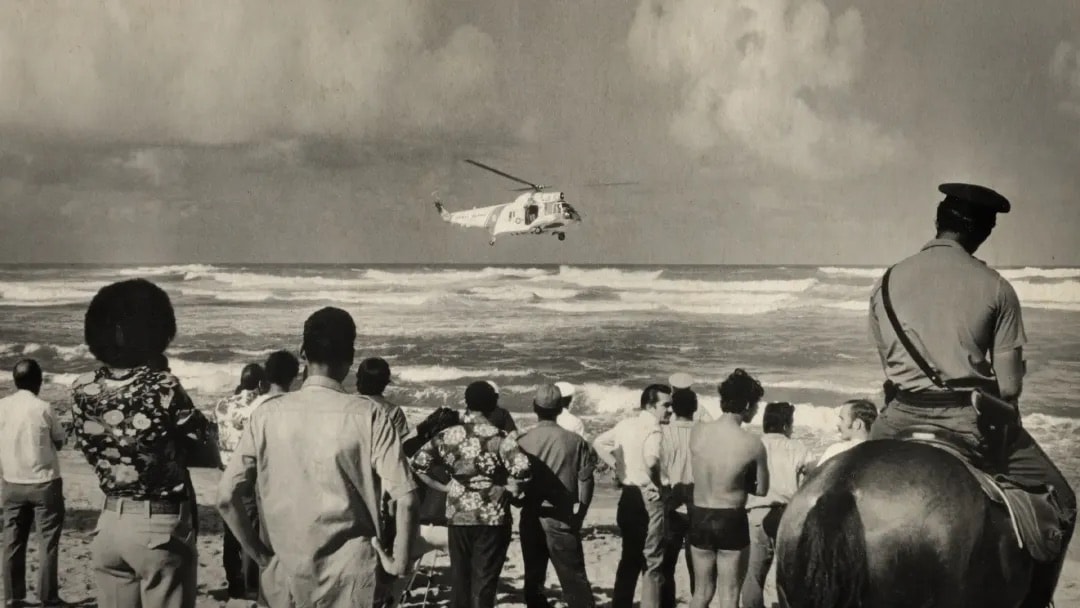
December 31, 1972
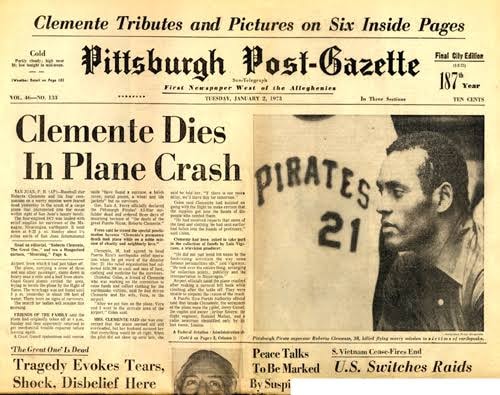
On New Year’s Eve, Clemente boarded a plane carrying humanitarian relief supplies. The aircraft departed from San Juan, Puerto Rico. Shortly after takeoff, the plane crashed into the Atlantic Ocean. Clemente was 38 years old. All five people aboard were killed. Clemente’s body was never recovered.
The man who had spent his life on a baseball field throwing a ball with extraordinary precision had died trying to get help to people thousands of miles away.
He wasn’t traveling for a game. He wasn’t traveling for a contract. He wasn’t traveling for personal recognition. He was traveling because people were suffering.— Pittsburgh Urban Media
His Final Act Became Part of His Legacy
Clemente’s death shocked Pittsburgh, Puerto Rico and the baseball world. But the circumstances surrounding his final flight became inseparable from the way people remembered him. Clemente’s humanitarianism wasn’t something created after his death to make his story more inspirational. It was the reason he was on that plane.
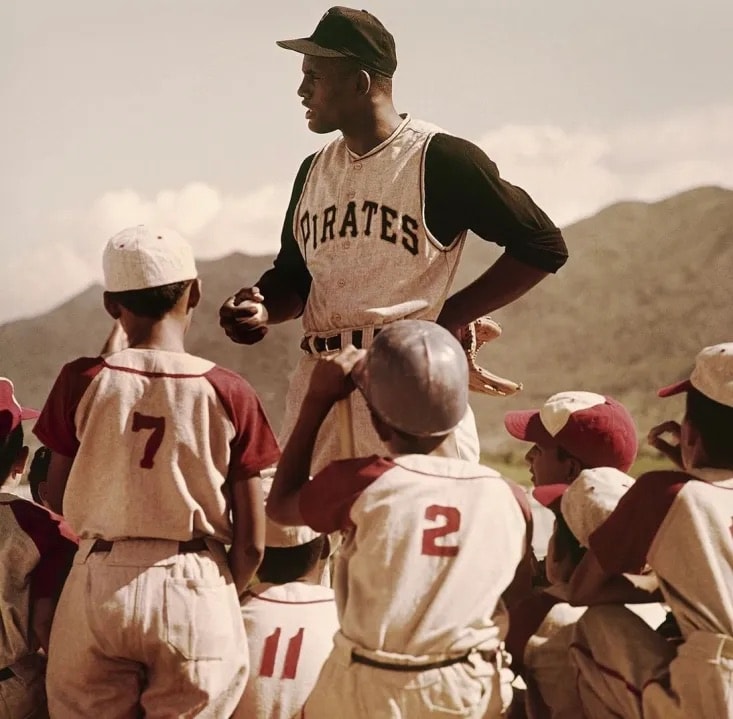
A Life of Service
The final flight reflected a philosophy Clemente had demonstrated throughout his life. He believed success came with responsibility. He believed people should help one another. And he believed athletes had a platform that could be used for something greater than entertainment.
The Nicaragua relief mission was an extension of that commitment. It became his final act of service.
The World Remembered
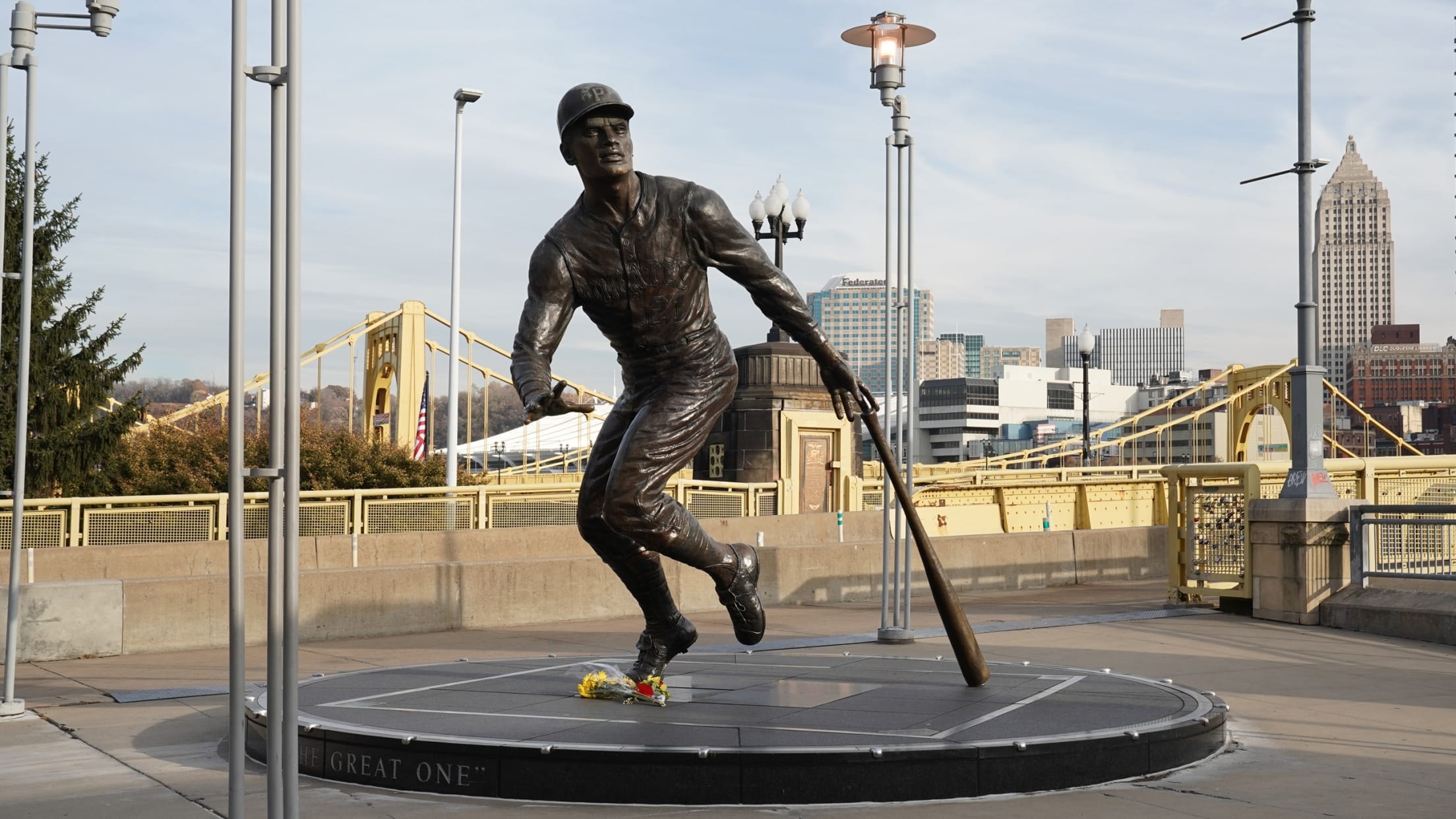
Clemente’s death transformed the way baseball remembered him. He became the first Latin American player elected to the National Baseball Hall of Fame, with his election taking place in 1973. Major League Baseball later established the Roberto Clemente Award, recognizing the player who best represents the game through character, community involvement and philanthropy.
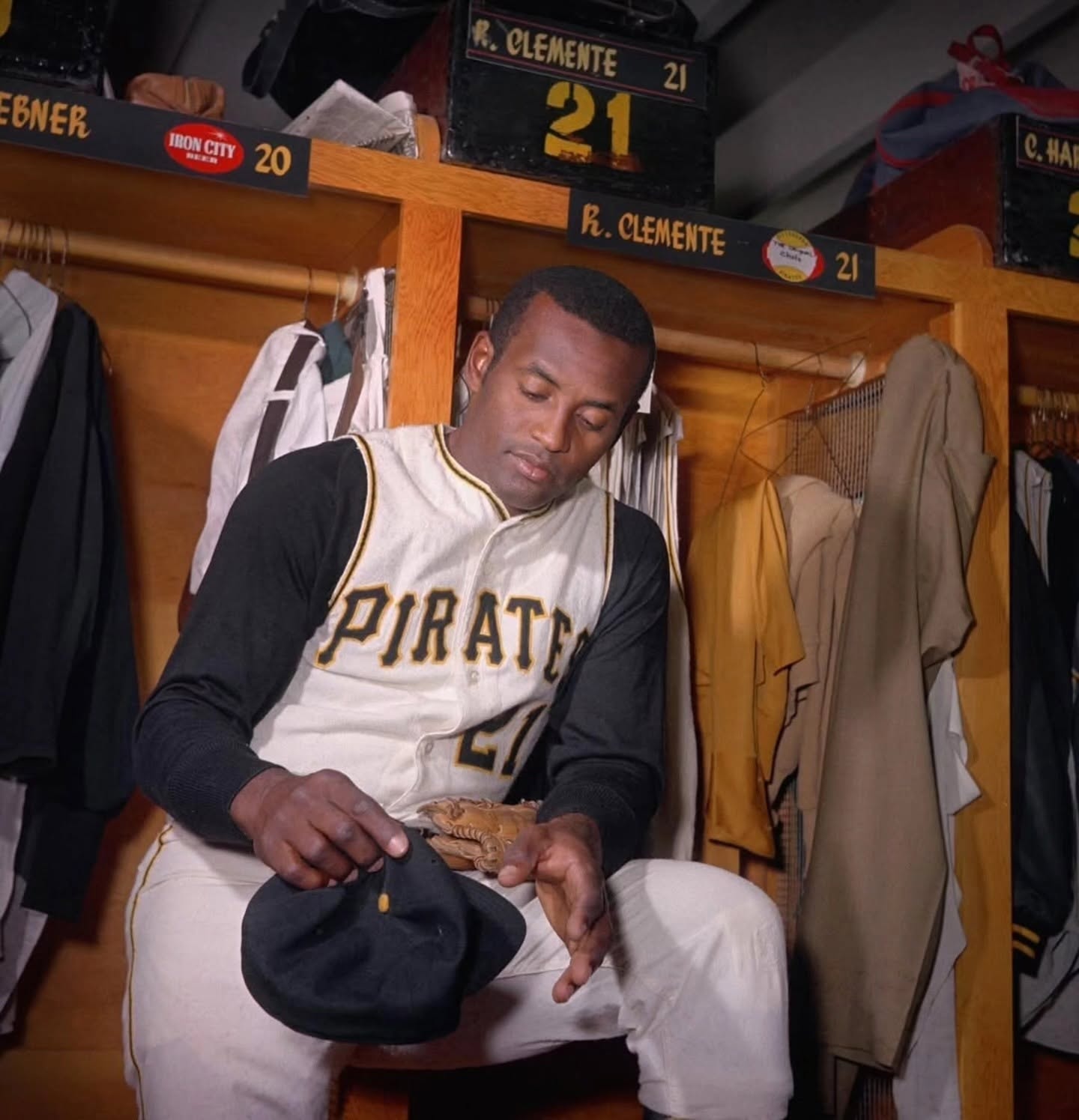
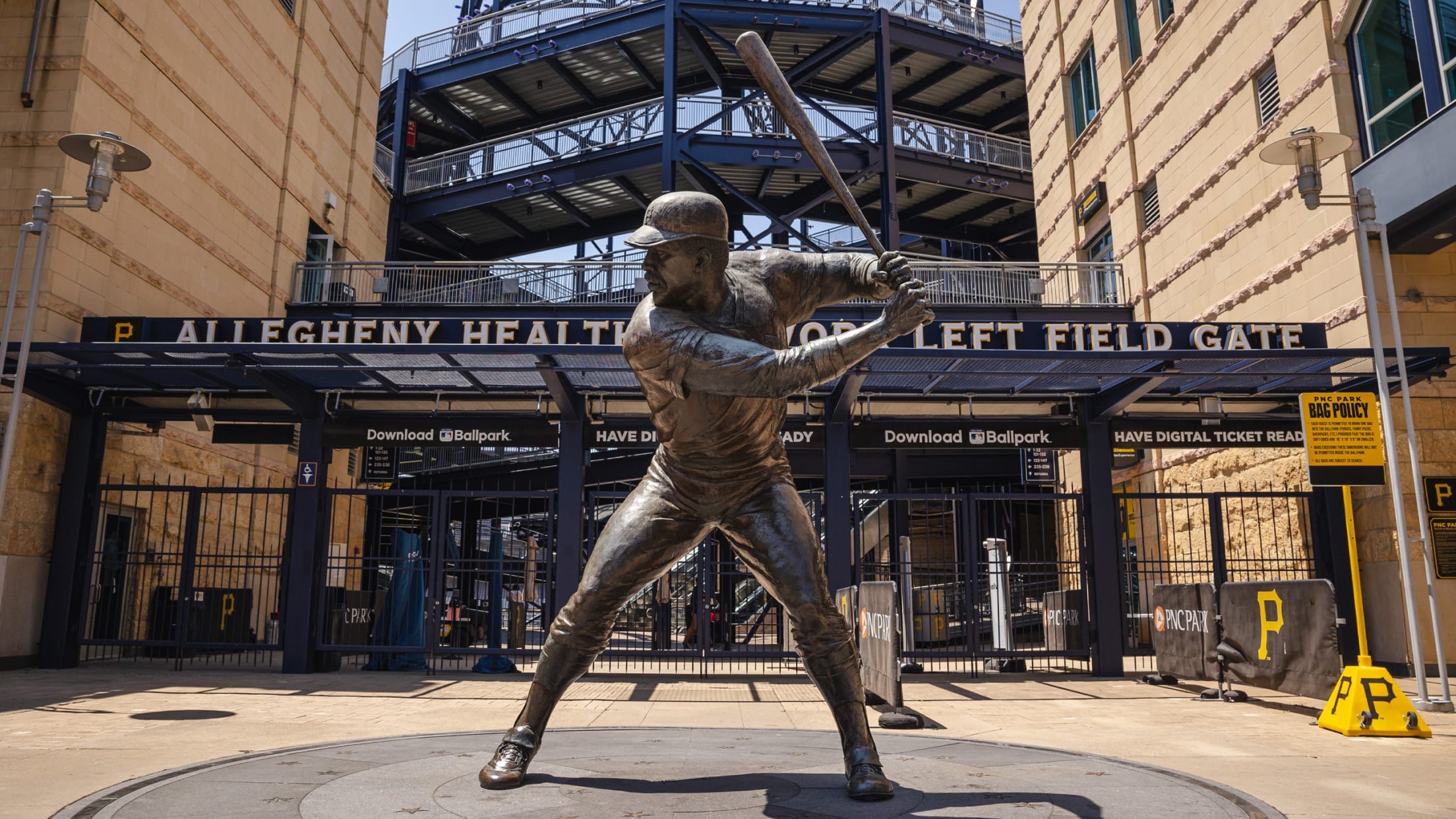
His No. 21 was retired by the Pittsburgh Pirates. And Roberto Clemente Day became an annual opportunity for baseball to honor his humanitarian legacy. But perhaps the greatest tribute has been the continued work carried out in his name.
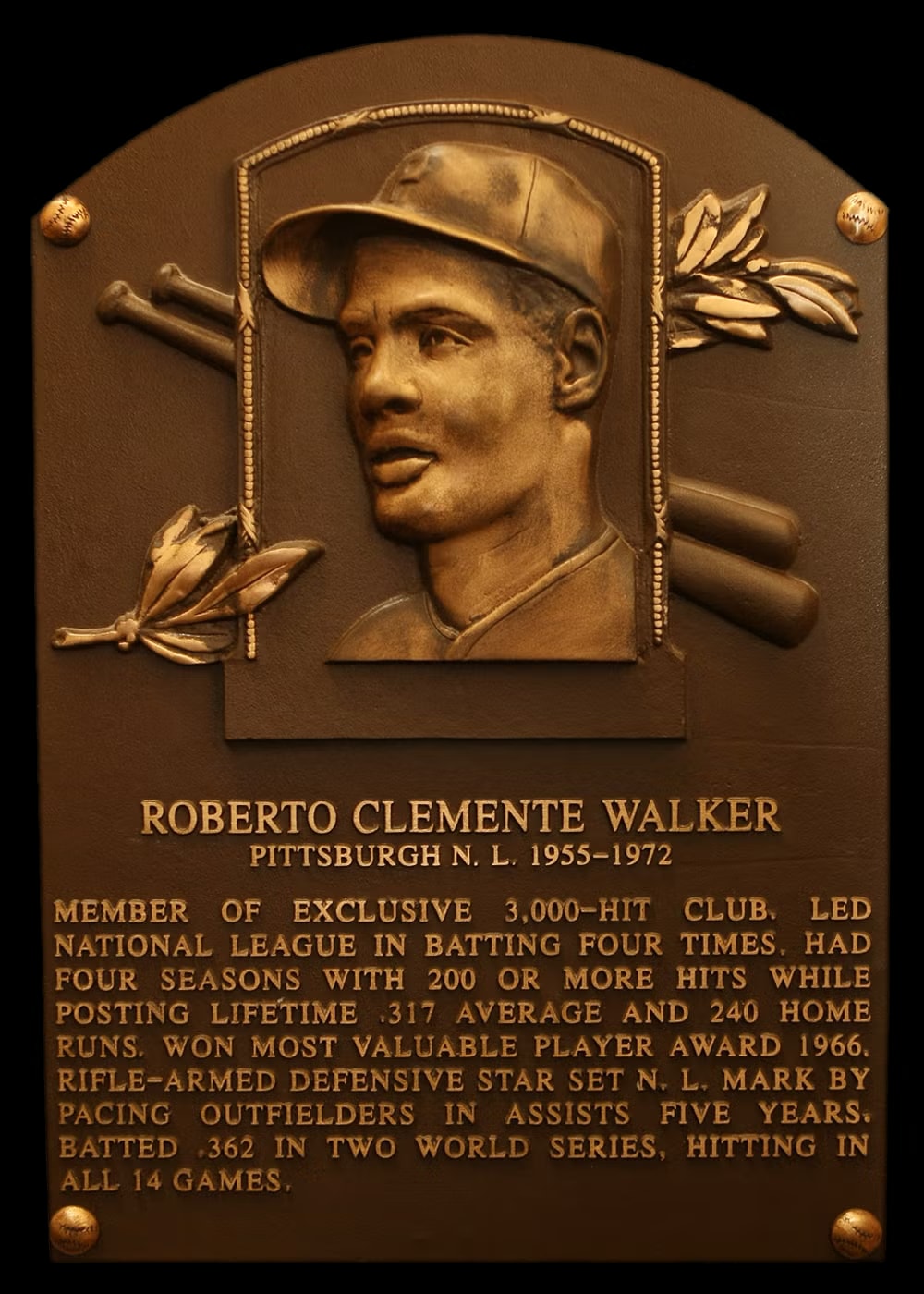
More than 50 years later, the image remains powerful: a baseball superstar, a proud Puerto Rican, a Pittsburgh Pirate, a humanitarian — a man boarding a plane with relief supplies because he wanted to help people he had never met. His career statistics explain why he belongs among baseball’s greatest players. His final journey helps explain why he became something more.
He left Pittsburgh as a baseball legend. He left the world as a symbol of service. And that is why No. 21 continues to mean so much.
Next in the series
More Than Baseball: The Activist
Roberto Clemente’s fight against racism and discrimination, his advocacy for Black and Latino players, his pride in his Puerto Rican identity and his connection to the civil-rights movement.
Read Story →